_画板-1-1.png)
Exclusive insider of the plastic recycling industry,
内容 隐藏Secrets that only the manufacturer knows,
Guidance for beverage companies in the current economic climate.
Here, we would like to share with you for a TOTAL FREE!
Subscribe to our newsletter now for more!!
Matt. Lau

What Is a Plastic Granulator?
The plastic granulator also called plastic grinder, is a machine used for materials size and thickness reduction, of pre-shredded plastics. They can be used to recycle post-consumer, as well as post-industrial plastics. The process of recycling uses much less energy than creating new plastic products from scratch.
How Does The Granulation Process Work?
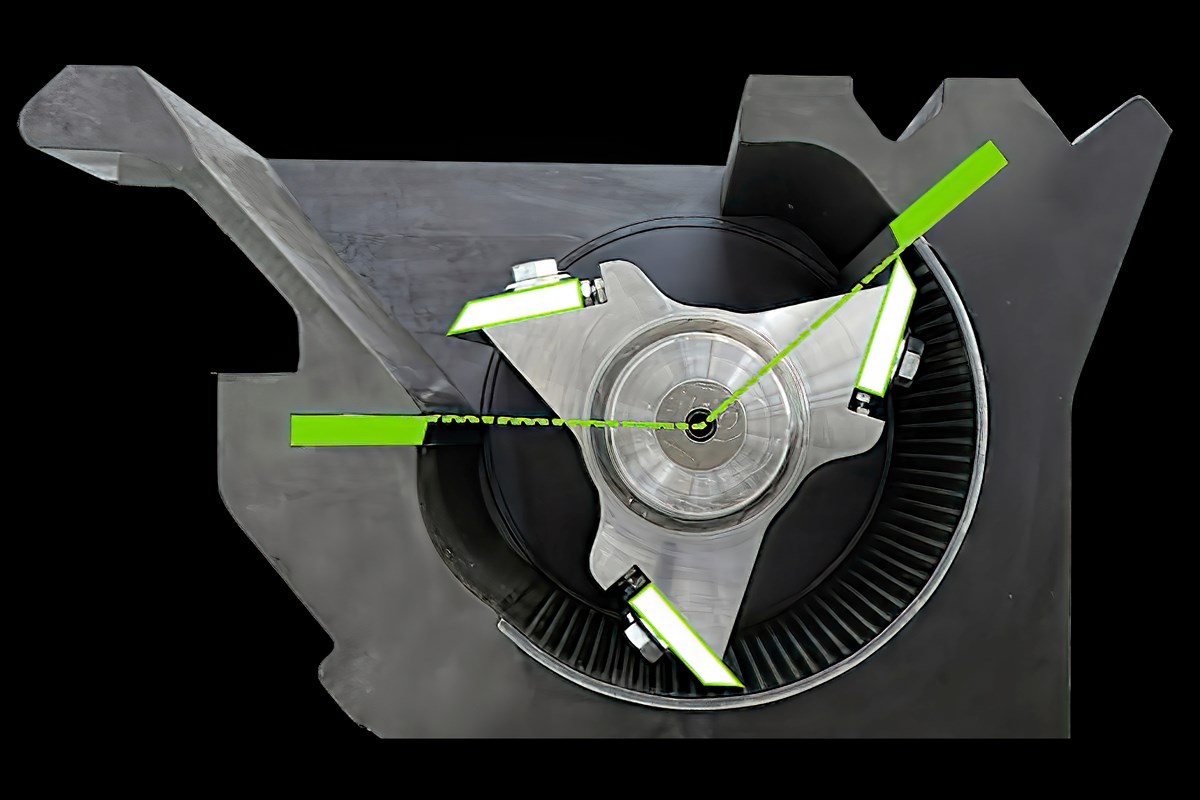
The process begins with feeding pre-shredded plastic into the machine. The cutting blades then rotate, breaking down the plastic materials into smaller pieces. These pieces are then forced through a screen, which separates them by size. The granules that are produced can then be used to create new products.
What Is The Daily Operation Procedure Of The plastic recycling granulators?
The operator feeds pre-shredded plastic into the machine.
The cutting knife rotates, breaking down the plastic into smaller pieces.
The operator checks the screen to see if it needs to be changed.
The granules that are produced can then be used to create new products.
The operator cleans the machine and makes any necessary repairs.
Are There Any Safety Concerns With Operating a Plastic Granulator?
There are always safety concerns when operating any type of machinery. However, as long as the operator follows the proper procedures and uses the appropriate safety gear, they should be able to safely operate the machine.
Common safety concerns include:
• Objects getting caught in the knife
• The machine becoming overloaded
• Electrical hazards
• slips, trips, and falls.
The Difference Between Plastic Granulators And Plastic Shredders?
The main difference between a plastic granulator and a plastic shredder is that a granulator produces smaller pieces that can be reused, while a shredder produces larger material pieces that must be disposed of.
The speed of a plastic granulator is also much slower than a shredder. This is because the granulator must carefully cut the plastic into small pieces without damaging them.
A plastic shredder, on the other hand, can operate at a much higher speed because it doesn’t need to be as careful with the plastic.
Another difference between these two types of machines is that a plastic granulator typically has one cutting knife, while a shredder has multiple knives.
The number of blades on a shredder can vary depending on the model, but they usually have at least two.
Lastly, plastic granulators are usually quieter and have less noise than shredders. This is because the granulator’s blades move more slowly than the shredder’s blades.
What The Cutting Chamber Of A Plastic Granulator Looks Like?

The cutting chamber of a plastic granulator typically contains one or more cutting blades. The number of blades can vary depending on the model, but most granulators have at least two. The blades are designed to cut the plastic into small pieces without damaging them.
What Are The Factors That Affect The Throughput Of Pellets By Plastic Granulators?
There are several factors that can affect the throughput of pellets by plastic granulators. These include:
• The type of plastic being recycled
• The size of the pieces being fed into the machine
• The speed at which the machine is operated
• The type of blades being used
• The cutting chamber size
How To Adjust The Size Of The pellets Produced By The plastic granulator?
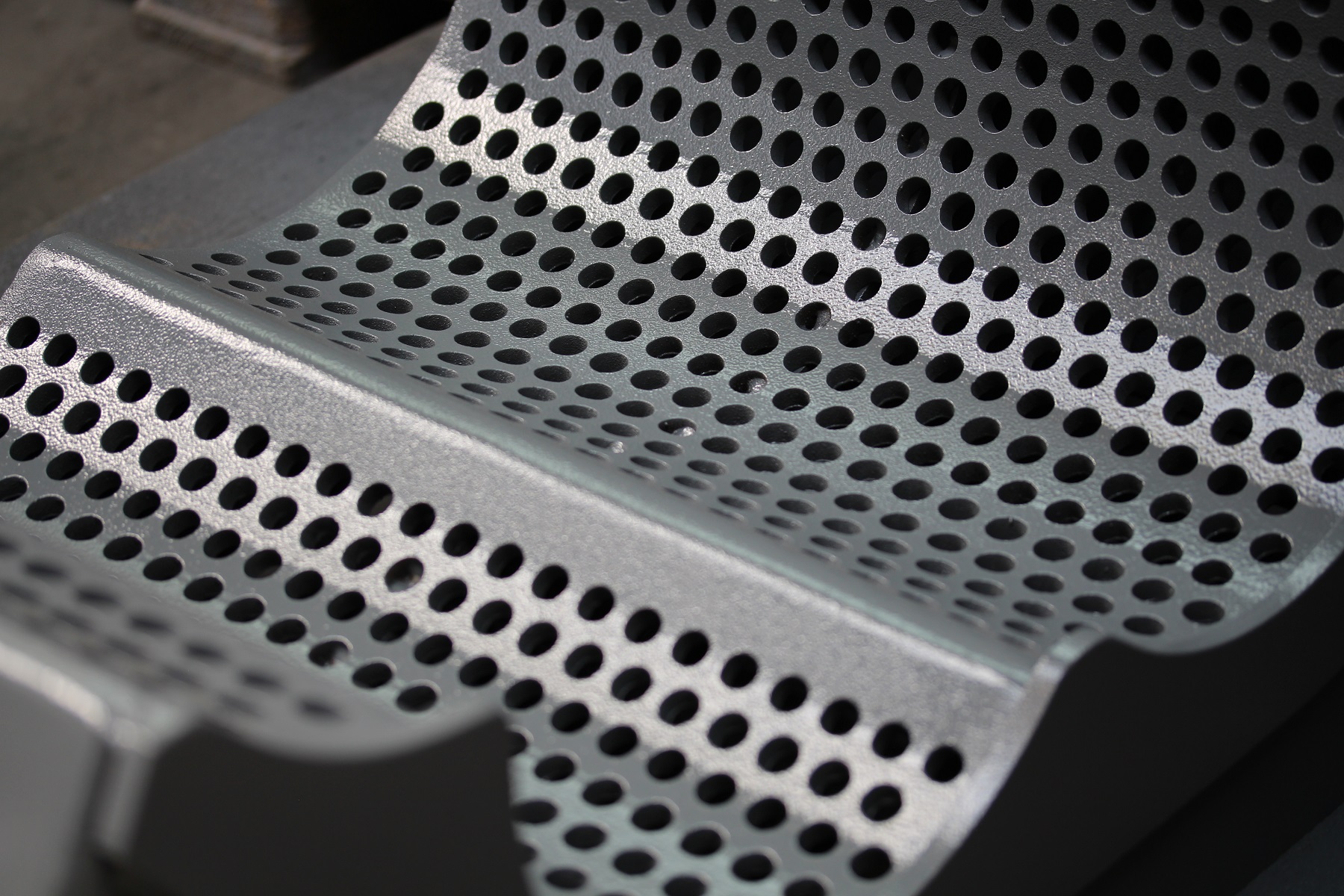
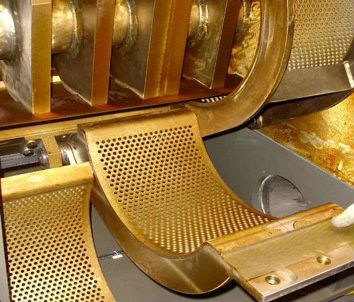
The size of the pellets produced by a plastic granulator can be adjusted by changing the screen size. A larger screen will produce larger pellets, while a smaller screen will produce smaller pellets.
It is also possible to adjust the speed at which the machine is operated. A slower speed will produce larger pellets, while a faster speed will produce smaller pellets.
Lastly, the type of blades being used can also affect the size of the pellets. A blade with more teeth will produce smaller pellets, while a blade with fewer teeth will produce larger pellets.
How To Master The Troubleshooting Method Of Plastic Granulator Machine?
The troubleshooting method of a plastic granulator machine can be divided into two parts:
Checking the power supply
Checking the cutting chamber
What Are The Plastic Granulator Machine Manufacturing Equipment On The Market?
Single Shaft Plastic Granulators, Double Shaft Plastic Granulators, and small-sized plastic granulators are three main types of plastic granulator machines on the market.
What Is The Difference Between Single Shaft And Double Shaft Plastic Granulators?
Single shaft machines are typically cheaper and easier to operate, but they have a lower production rate than double shaft machines.
Double shaft machines are more expensive and difficult to operate, but they have a higher production rate.
What Are The Parts Of The Plastic Granulator Machine?
The parts of a plastic granulator machine include:
• A cutting chamber
• One or more cutting blades
• A screen
• A power supply
How do plastics granulators work with injection molding machines?
Injection molding machines and plastic granulators work together by recycling the plastic that is used to make products.
The injection molding machine melts the plastic and injects it into a mold. Once the product is made, the excess plastic is recycled by the granulator.
The granulator cuts the plastic into small pieces and stores it until it is needed again.
When the injection molding or blow molding machine needs more plastic, the granulator provides it. This process is repeated until all of the plastic has been recycled.

_画板-1-副本-3-pxeey2xejyohpkvf07tglhvew6ks2ts3pjvhagm60c.png "NICETY MACHINERY Co., LTD")