_画板-1-1.png)
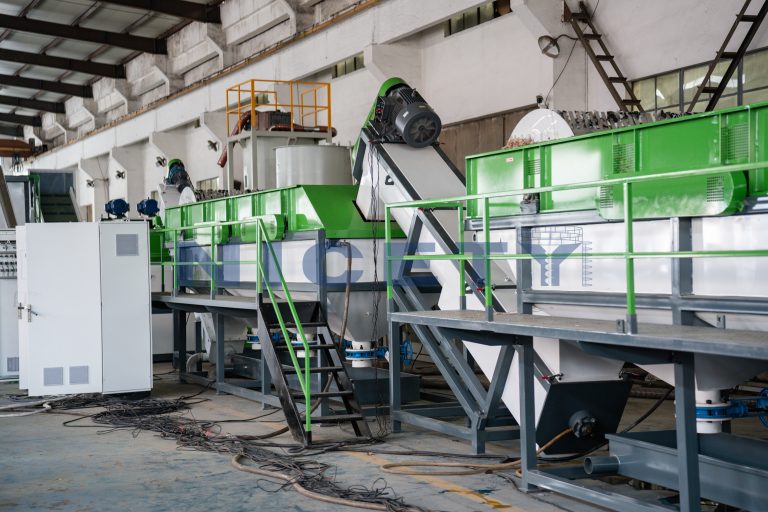
Agricultural film recycling is essential for sustainable farming, reducing environmental pollution, and recovering valuable plastic materials. At NICETY, we specialize in providing reliable and efficient machinery to transform used agricultural films into reusable plastic pellets. This guide will walk you through the recycling process, the machinery required, and why NICETY is the trusted choice for plastic recycling equipment.
What is Agricultural Film Recycling?
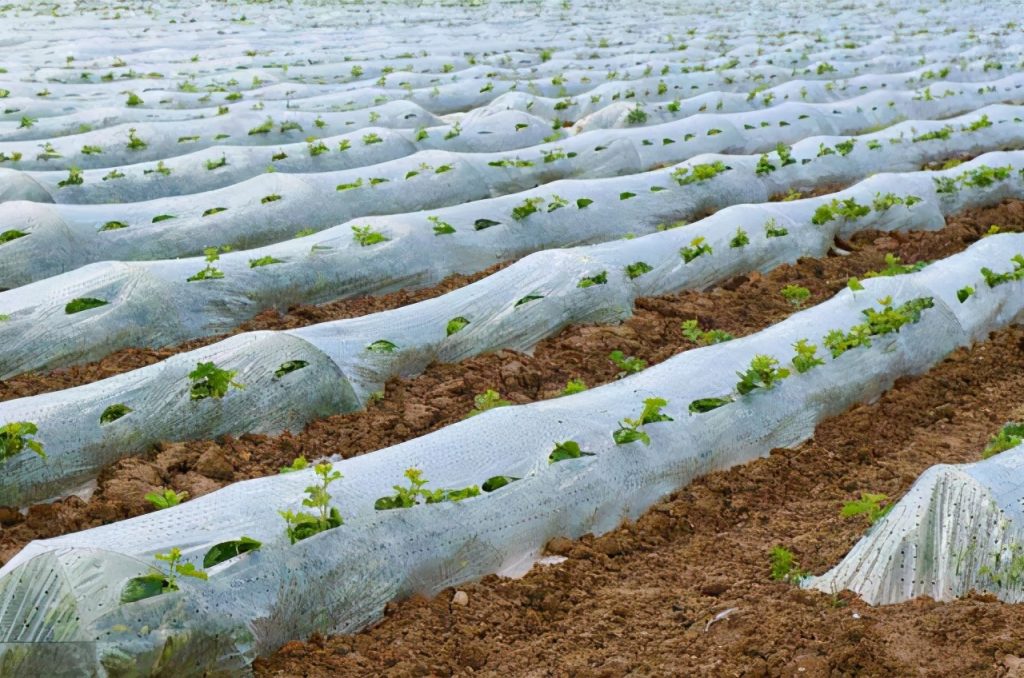
Agricultural films, primarily made from LDPE (Low-Density Polyethylene), are widely used in farming for applications like greenhouse coverings, mulching, and silage wrapping. Recycling these films helps manage plastic waste while creating an economic opportunity by converting discarded materials into reusable pellets. Alongside LDPE, the recycling lines are also suitable for soft plastic waste materials like PP (Polypropylene) and HDPE (High-Density Polyethylene).
Step-by-Step Process of Agricultural Film Washing and Recycling
- Shredding:
Films are shredded into smaller pieces for easier processing. - Washing:
The shredded material undergoes pre-washing and friction washing to remove contaminants such as soil, sand, oil, and glue. - Drying:
A drying system eliminates moisture, preparing the material for pelletizing. - Pelletizing:
Using a double-stage single screw extrusion system, the material is melted and reformed into pellets. Pelletizing can be done through water-ring cutting or strand cutting, depending on the production requirements.

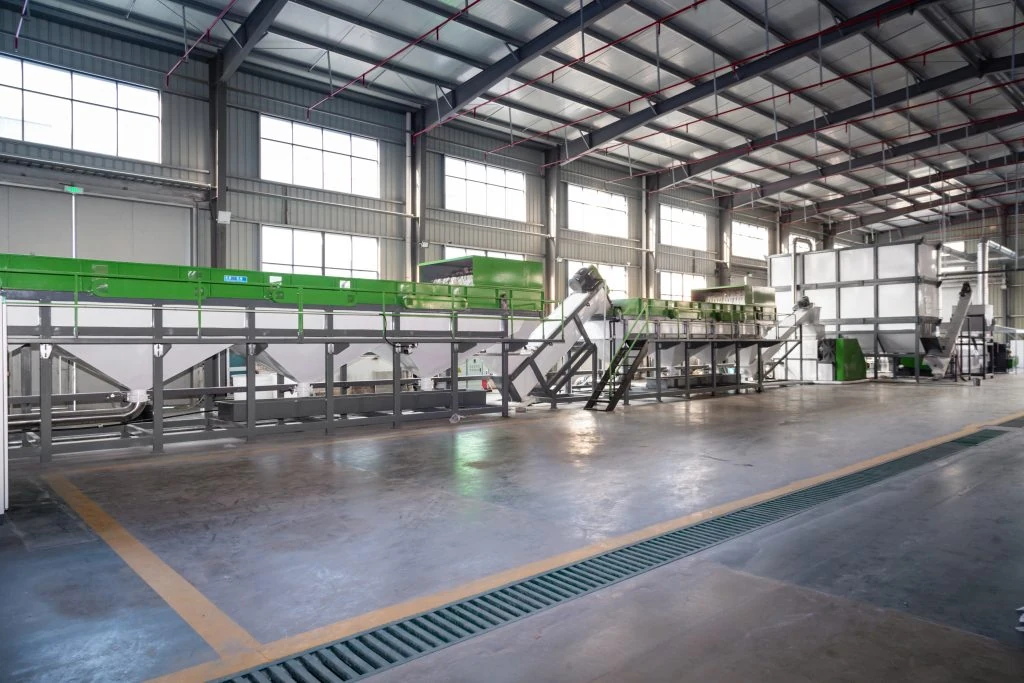
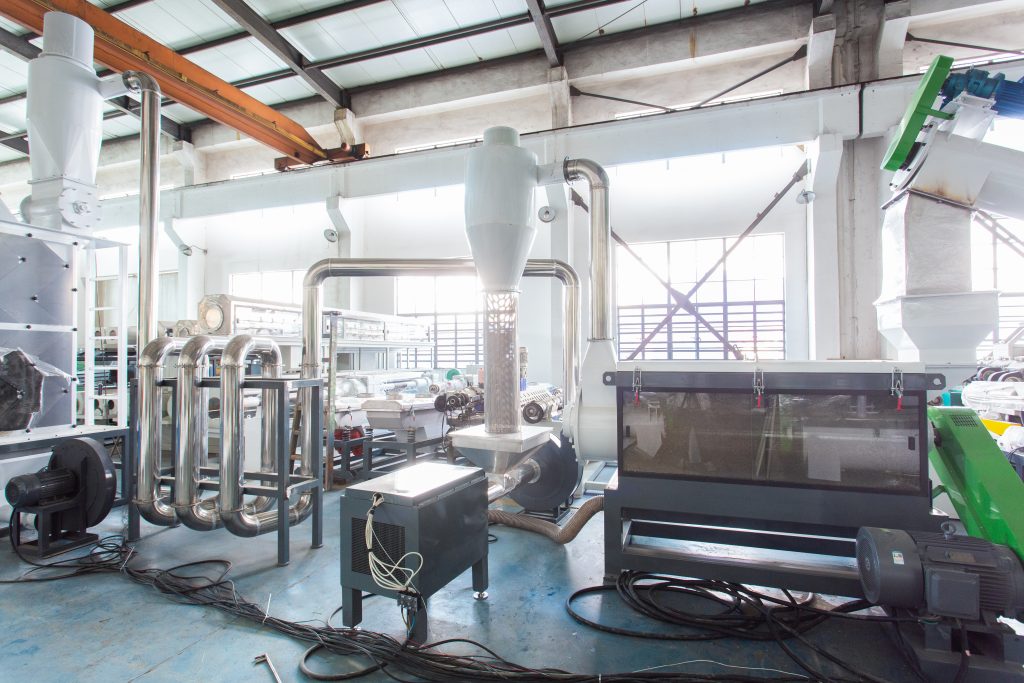
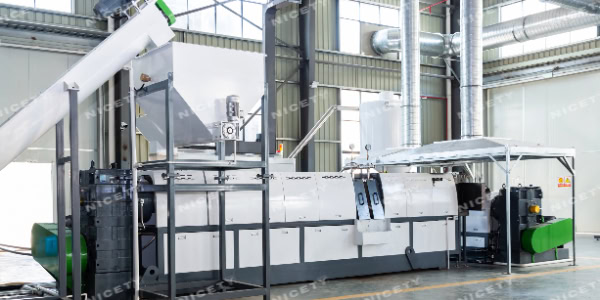
Key Machinery Required for the Recycling Process
- Shredder:
Breaks down large agricultural films into smaller fragments. - Pre-washer and Friction Washer:
Cleans the material by removing stubborn dirt and debris. - Drying System:
Ensures optimal moisture removal for improved pelletizing efficiency. - Double Stage Single Screw Extruder:
Melts and extrudes plastic material, suitable for LDPE, PP, and HDPE. - Pelletizer:
Reforms molten material into uniform pellets using either water-ring or strand cutting methods.
Challenges in Agricultural Film Recycling and How NICETY Solves Them
Recycling agricultural films poses unique challenges, such as removing stubborn contaminants like sand, dirt, and residues. NICETY addresses these challenges with:
- Advanced friction washers for effective cleaning.
- High-quality double-stage extruders that ensure contaminant-free pellets.
- Customized solutions tailored to meet the specific needs of recycling plants.
Applications of Recycled Agricultural Film
The plastic pellets produced through this process can be reused to manufacture:
- Garbage bags
- Drainage pipes
- Industrial packaging materials
- Agricultural supplies
Recycling transforms waste into valuable resources, reducing environmental impact and contributing to a circular economy.
Why Choose NICETY for Agricultural Film Recycling Equipment?

- Reliable Quality:
NICETY’s machinery features precise craftsmanship and robust components for consistent performance. - Customized Solutions:
We offer tailored equipment configurations to meet your specific recycling needs. - Competitive Pricing:
Despite offering premium-quality machinery, our pricing is competitive, making us an excellent choice for businesses in regions like the Middle East, Southeast Asia, and North America. - After-Sales Support:
Our experienced team ensures seamless installation, training, and maintenance support for all customers.
Summary
Recycling agricultural films is a crucial step toward sustainable farming and reducing plastic waste. NICETY provides comprehensive washing and pelletizing lines designed for LDPE, PP, and HDPE materials, incorporating advanced features like double-stage single screw extruders and customizable cutting methods. Whether you’re looking for a reliable partner in plastic recycling or need tailored machinery solutions, NICETY has the expertise and commitment to meet your needs.
Contact us today at [email protected] or visit www.nicetymachine.com to learn more about our cutting-edge recycling equipment.

_画板-1-副本-3-pxeey2xejyohpkvf07tglhvew6ks2ts3pjvhagm60c.png "NICETY MACHINERY Co., LTD")