_画板-1-1.png.webp)
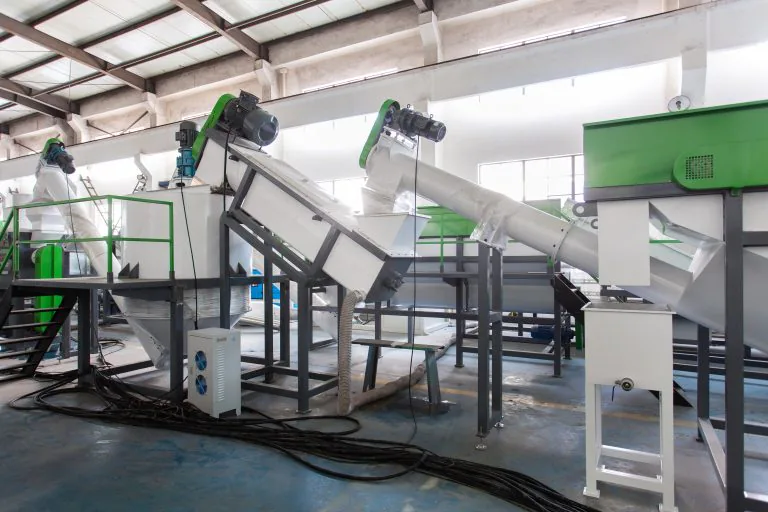
Plastic recycling is essential in today’s world, and efficient recycling systems are key to achieving high-quality results. One crucial component in a plastic washing line is the friction washer. It plays a pivotal role in the washing process by improving the cleanliness of plastic materials. But how does it actually work? Let’s dive into its role and importance in plastic recycling.
A friction washer is a device used in plastic recycling systems to clean plastic materials by using friction and water to remove contaminants like dirt, labels, and other impurities. It plays a critical role in preparing plastic waste for further recycling stages.
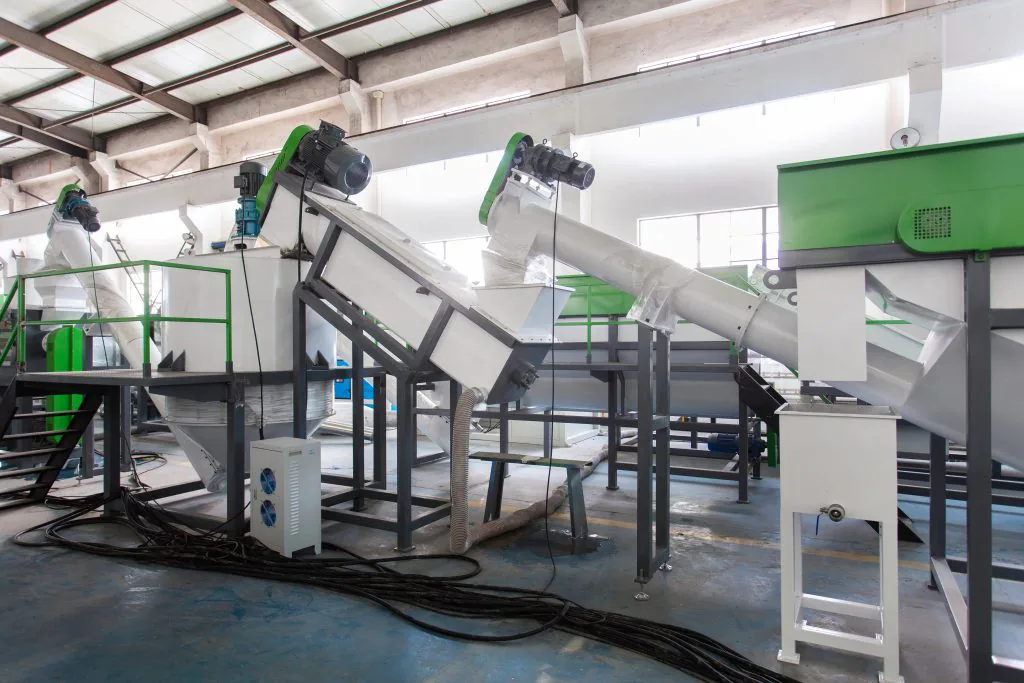
In this article, we will explore how friction washers work, why they are crucial in the washing process, and their various types and benefits in plastic recycling.
What is the function of friction washer in plastic recycling?
The primary function of a friction washer in plastic recycling is to remove contaminants1, especially organic impurities such as dirt, grease, and oils, from the surface of plastic waste. By using mechanical friction and water2, it enhances the efficiency of the entire plastic washing process. This washer is essential because the cleaner the plastic, the more efficient the recycling process will be.
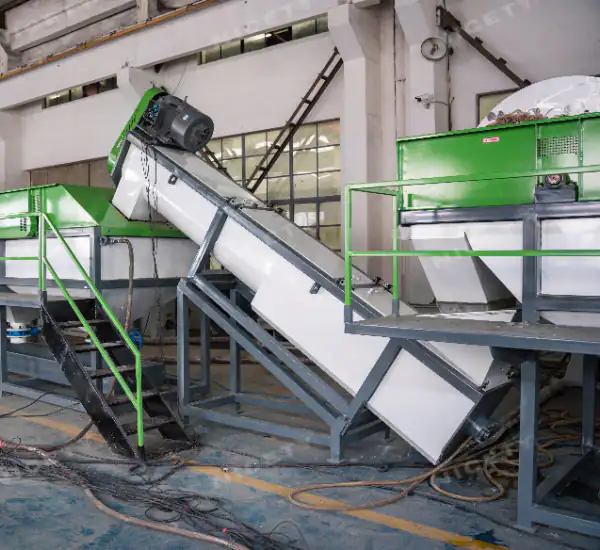
A friction washer uses the high-speed rotation of drums or paddles3 to rub the plastic material against itself. The friction generates heat, which, combined with water, helps loosen stubborn contaminants. This method ensures that plastics are cleaner and ready for further recycling processes, like extrusion or pelletizing.
Key aspects of the friction washer’s function:
- Efficient cleaning: The friction helps break down contaminants and dirt effectively.
- Energy efficiency: While friction washers use mechanical energy, they are designed to maximize cleaning while minimizing energy consumption.
- Improved washing capacity: They are built to handle large volumes of plastic, making them suitable for high-volume recycling plants.
What does a friction washer do?
A friction washer4 works by spinning plastic materials at high speeds, using friction to remove dirt, oils, and other contaminants from the plastic surface. It acts as the next crucial step after the initial sorting and pre-washing of plastics. While other washing methods might rely on chemicals or additional cleaning agents, the friction washer primarily uses the power of mechanical action5 to scrub off contaminants.
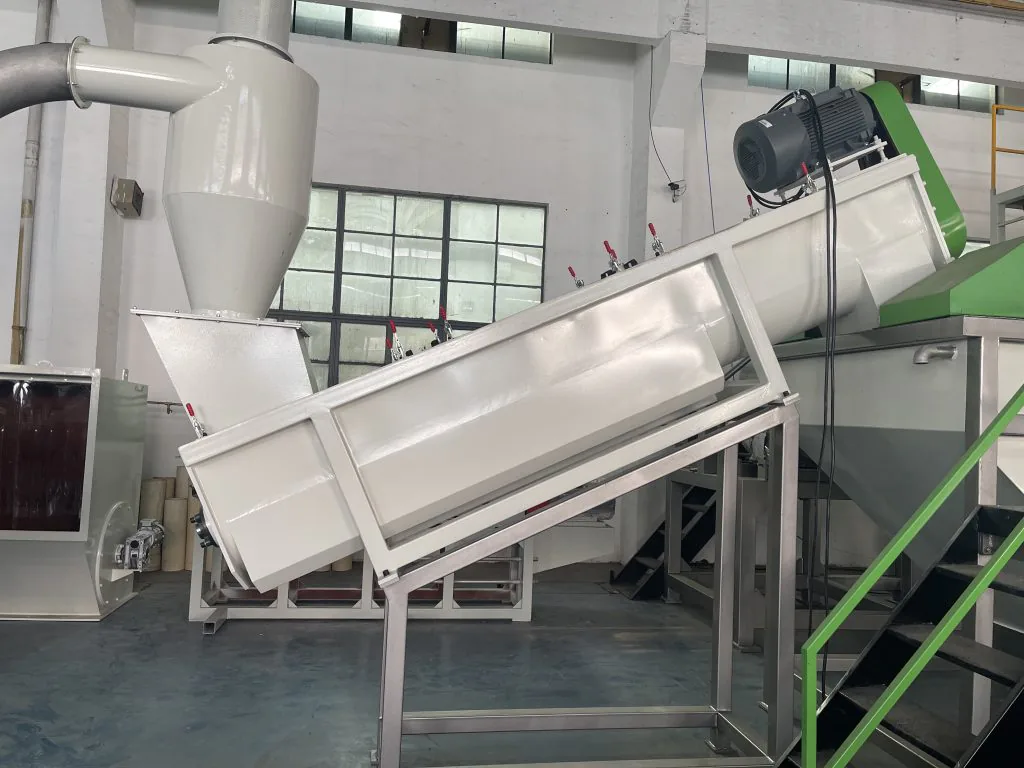
The friction mechanism creates a scrubbing effect that removes stubborn contaminants without requiring harsh chemicals. This ensures that the plastic is clean enough to go into the next stage of the recycling process6. Additionally, the water used during washing helps further separate debris, leaving behind cleaner material.
The role of friction washers in the overall recycling line:
- Enhanced cleanliness: They ensure that plastic is thoroughly cleaned before being further processed.
- Separation of contaminants: Dirt and other impurities are separated and washed away using water.
- Preparation for next stages: The washer prepares the plastic for extrusion or pelletizing, ensuring that the final product is of higher quality.
What is the friction method of washing?
The friction method of washing7 in plastic recycling is based on the principle of mechanical action to remove contaminants8 from plastic surfaces. In the friction washer, plastic materials are subjected to intense friction as they rub against each other and the inner surfaces of the washer. This friction generates heat, which helps to break down dirt, labels, oils, and adhesives.
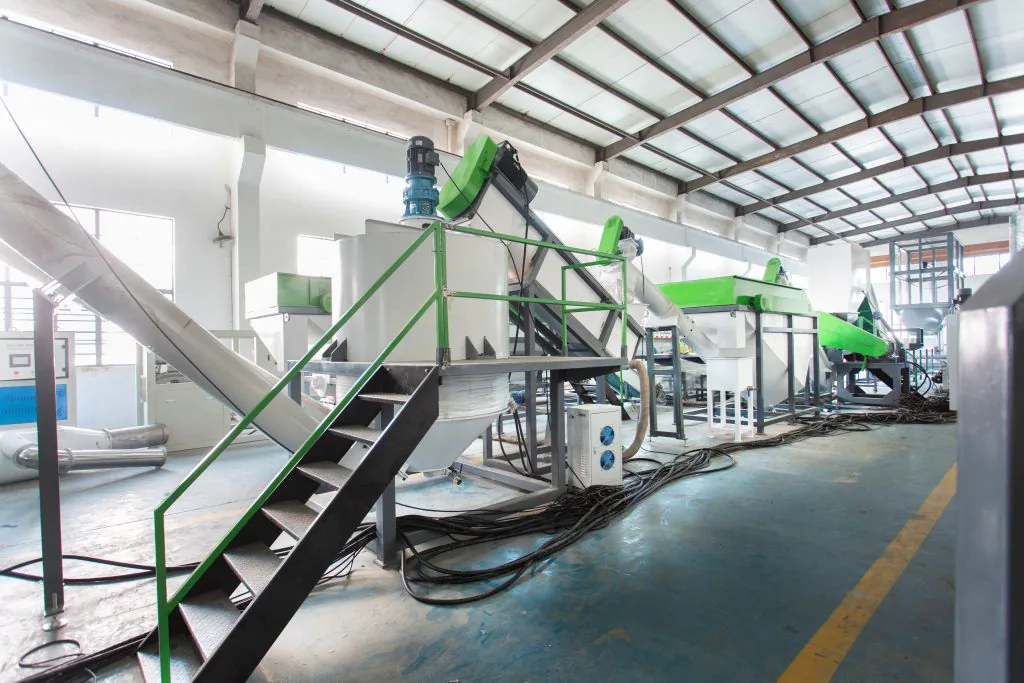
The process typically involves using water, which further helps loosen the contaminants. The combination of heat, friction, and water makes this method highly effective at cleaning plastic waste. Unlike chemical methods, which may involve harmful substances, the friction method is more eco-friendly and cost-effective9.
Steps in the friction method of washing:
- Plastic material enters the washer: Plastic waste is placed into the washer.
- High-speed rotation: The washer’s drum or paddles rotate rapidly, creating friction.
- Heat generation: Friction generates heat, which helps soften contaminants.
- Water spray: Water is added to help rinse off dirt and impurities.
- Separation of contaminants: The contaminants are removed, leaving cleaner plastic behind.
What is the use of plastic washer?
The use of a plastic washer, particularly in the context of recycling, is to ensure that plastic waste10 is thoroughly cleaned before further processing. Plastic waste, often contaminated with oils, dirt, adhesives, and labels, needs to be cleaned to ensure that the final recycled product is of high quality. The plastic washer facilitates this by using mechanical friction11 combined with water to scrub off these contaminants.
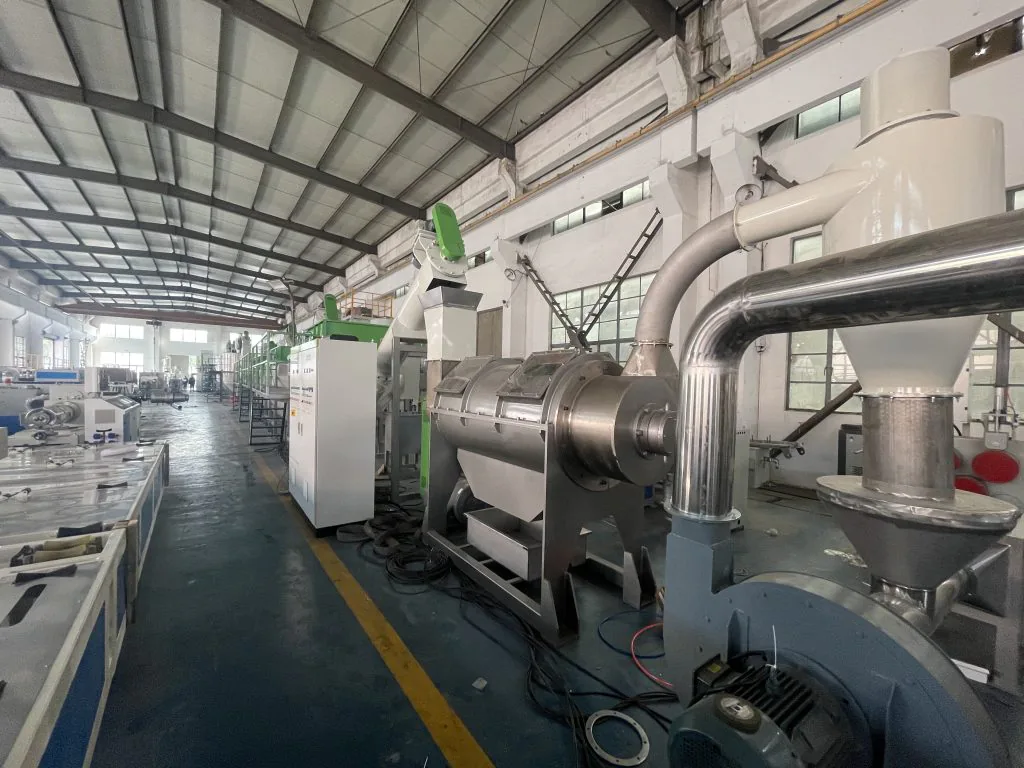
Without a plastic washer, the recycling process would be much less effective, leading to lower-quality materials. These washers are crucial in ensuring the efficiency of the overall recycling process, from cleaning the plastic to preparing it for extrusion or pelletizing. The cleaner the input material, the higher the quality of the recycled end product.
Key uses of plastic washers:
- Prepares plastic for further processing: Cleans the plastic so it can be more easily transformed into new products.
- Removes impurities: Eliminates contaminants like adhesives, dirt, and oils from plastic.
- Improves recycling efficiency12: By ensuring the plastic is clean, the washer enhances the overall recycling efficiency and quality.
Why the distinction between high speed, medium speed and low speed?
The distinction between high-speed, medium-speed, and low-speed friction washers lies in their specific applications, energy consumption, and the type of plastic they are designed to clean. Each type of washer has its own set of advantages depending on the scale and specific needs of the recycling process.
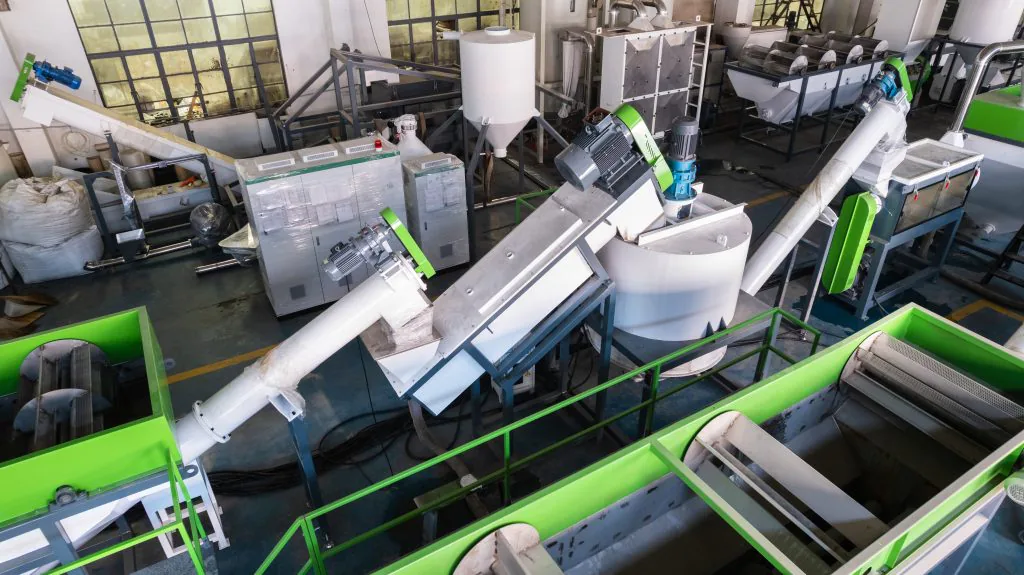
- High-speed washers: These washers are designed for large-scale recycling operations where speed and high capacity are essential. They can handle large quantities of plastic at once, making them ideal for high-volume plants. They are efficient but tend to consume more energy.
- Medium-speed washers: These washers balance between energy consumption and cleaning efficiency. They are suitable for medium-sized operations where a balance between speed and cost is necessary.
- Low-speed washers: Typically used for smaller batches or specialized cleaning processes, these washers use less energy but take more time to clean the plastic. They are often used in operations with specific cleaning needs or where plastic contamination is less severe.
Choosing the right speed washer:
- High-speed: Best for large-scale recycling with high volumes of plastic.
- Medium-speed: Ideal for balancing cleaning power with energy use.
- Low-speed: Suitable for specialized cleaning or smaller operations.
Conclusion
Friction washers are a crucial component in plastic recycling lines. They help remove contaminants from plastic materials, making the recycling process more efficient and ensuring high-quality recycled products. Understanding the function and types of friction washers can help you make informed decisions about your recycling operations and improve overall productivity.
-
Discover the science behind how friction washers effectively clean plastic waste, ensuring higher recycling efficiency. ↩
-
Learn how the combination of mechanical friction and water revolutionizes the cleaning process in plastic recycling. ↩
-
Explore the innovative technology that uses high-speed rotation to enhance the cleaning of plastics for recycling. ↩
-
Discover how friction washers enhance recycling efficiency by removing contaminants without harsh chemicals, ensuring higher quality recycled materials. ↩
-
Learn about the effectiveness of mechanical action in cleaning plastics, offering a chemical-free solution to remove stubborn contaminants. ↩
-
Explore the essential stages of plastic recycling, including how friction washers contribute to producing cleaner, higher-quality recycled materials. ↩
-
Explore this link to understand the detailed process and benefits of using the friction method for cleaning plastics, enhancing recycling efficiency. ↩
-
This resource explains the science behind mechanical action in cleaning plastics, offering insights into eco-friendly recycling techniques. ↩
-
Discover why the friction method stands out as a sustainable and economical choice for plastic recycling, reducing environmental impact. ↩
-
Understanding the impact of plastic waste on recycling can help improve the quality of recycled materials and promote more sustainable practices. ↩
-
Exploring the role of mechanical friction in cleaning processes can provide insights into innovative recycling technologies and methods. ↩
-
Improving recycling efficiency is crucial for reducing environmental impact and enhancing the sustainability of plastic products. ↩

_画板-1-副本-3-pxeey2xejyohpkvf07tglhvew6ks2ts3pjvhagm60c.png.webp "NICETY MACHINERY Co., LTD")