_画板-1-1.png)
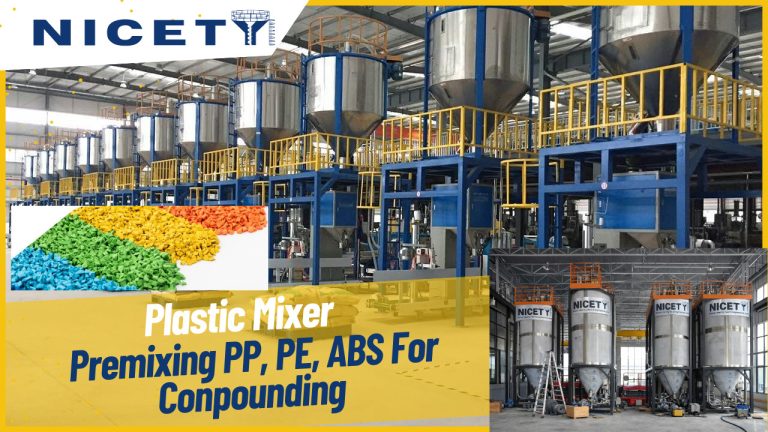
When I skip premixing1, my PP, PE, ABS, and PET lines remind me fast: blocked screens, color streaks, angry customers, and nervous operators.
Premixing improves compound quality2 because it spreads pigments3, fillers4, and additives evenly before melting. This gives more stable output, tighter mechanical properties5, cleaner surfaces, and less waste across PP, PE, ABS, and PET lines.
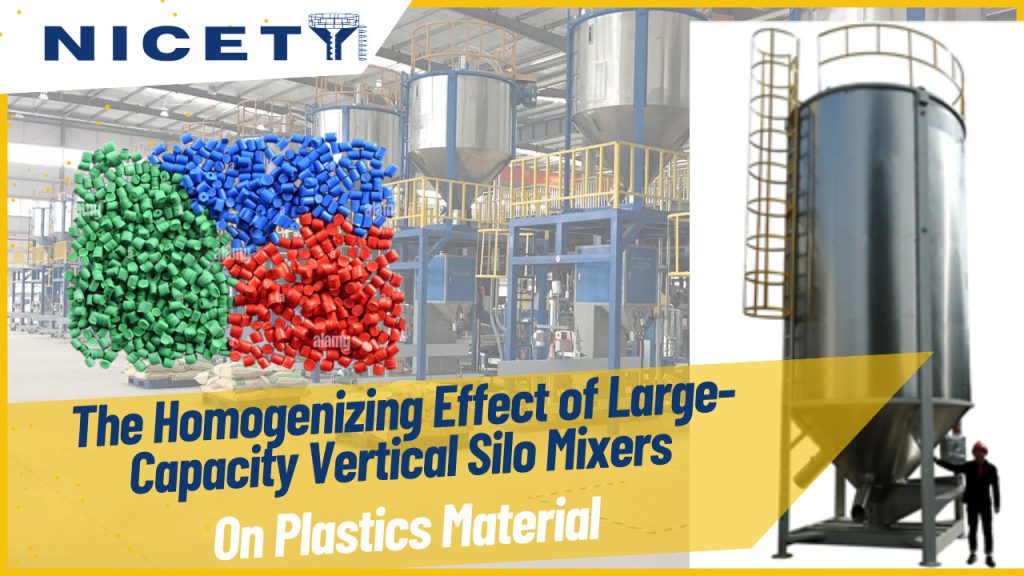
I write and visit many PP, PE, ABS, and PET plants in different countries. When I compare lines, I see one clear pattern. The factories that treat premixing as a core process enjoy quieter shifts, more stable numbers, and fewer arguments between production and quality.
How does premixing improve PP and PE compound consistency?
On polyolefin lines I first learned the hard way that poor dry blending turns a good formulation into unstable torque, uneven melt, and scrap boxes.
Premixing PP and PE compounds in a fast, high-shear mixer cuts variation because each pellet receives similar pigment and additive levels, so screw load, melt pressure, and mechanical data stay much more stable.
What premixing changes inside the extruder6
When I dry blend PP or PE compounds well, the screw sees a steady diet. Pigment and talc reach the melt front at the same time, so melt pressure and amperage move in a narrow band. When I skip this step, light powder floods one zone, then starves the next. This creates torque spikes, die lines, and fish-eyes.
Simple example from a PP talc compound
On one 30% talc PP job, we compared “no premix” versus “high-speed premix”. We only changed that step.
| Condition | Melt pressure COV | Izod impact COV | Surface defects (pcs/1000) |
|---|---|---|---|
| No premix | 6.5% | 8.0% | 22 |
| With premix | 2.1% | 3.0% | 5 |
These are typical results in my work. Better premixing means tighter data, easier start-ups, and fewer calls from production at night. It also lets me increase screw speed slowly without fear, so the same line makes more tons per hour.
How does premixing change ABS toughness7 and appearance?
With ABS, I saw that skipping proper premixing does not just dull the color. It creates weak spots that crack under impact tests and customer use.
Premixing ABS compounds improves rubber and pigment distribution in the SAN matrix, which raises impact strength8, reduces stress-whitening bands, and keeps gloss, color tone, and surface defects9 within tight limits from lot to lot.
Why ABS is sensitive to premixing
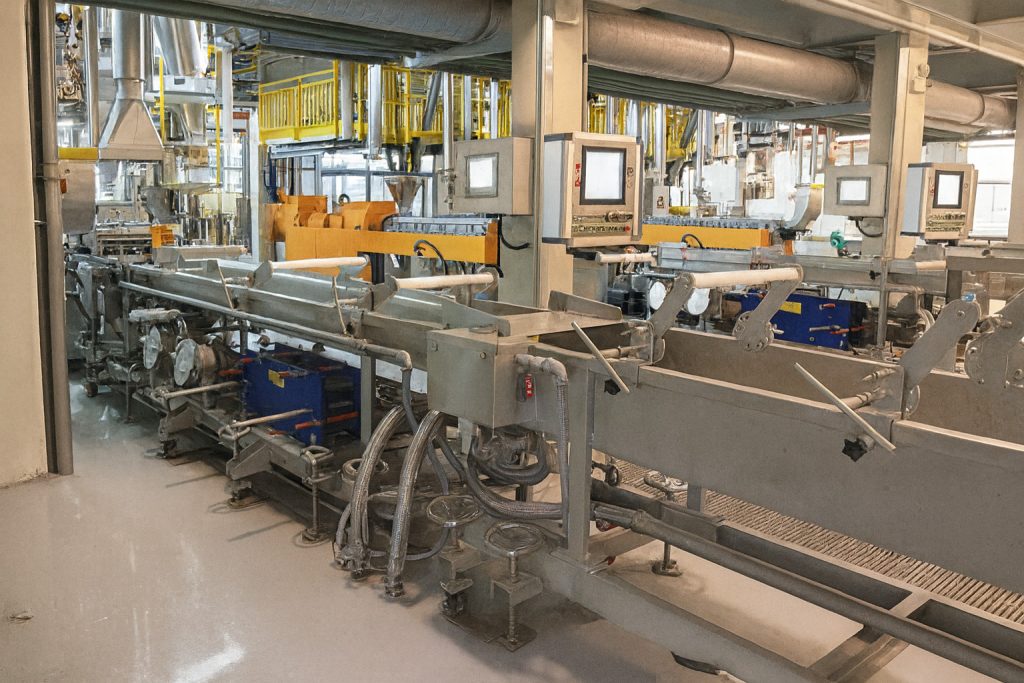
ABS is already a two-phase system. Rubber particles must sit in the right way inside the rigid matrix. When dry blending is weak, some areas get more rubber, some get more SAN. Those spots show dull flow marks, stress whitening near gates, or even cracks during drop tests.
In one plant, we chased random impact failures for weeks. The lab kept changing the recipe. I asked to see the premix area. We found big clumps of color masterbatch at the bottom of the mixer and dry zones near the top. Once we fixed mixer load, speed, and time, the failures almost disappeared without any new additives10.
Typical changes I see in plant data
On an ABS compound with 15% recycled content and color masterbatch, I saw big changes after we fixed premixing:
| Index | Before premix fix | After premix fix |
|---|---|---|
| Notched Izod @ 23°C (kJ/m²) | 15–18 | 19–21 |
| CIE color ΔE to target | 1.8–2.2 | 0.6–0.9 |
| Rejects for appearance (%) | 4.5 | 1.2 |
The formulation stayed the same. Only the premixing and feeding changed. Operators also reported less dust, cleaner hoppers, and more stable back pressure, so they needed fewer trial shots.
Why is premixing so important for PET and rPET compounds?
PET is less forgiving. Early in my career I learned that poor premixing can ruin IV, color, and crystallinity11 long before the melt reaches the die.
Premixing PET chips with additives in controlled humidity and time keeps moisture12, catalyst, and colorant distribution uniform, which protects IV, reduces yellowing, and gives more consistent crystallinity and mechanical strength after extrusion or injection.

How premixing affects PET moisture and IV
PET is very sensitive to moisture. Even small pockets of wet chips can drop IV and create gels. When I premix PET with additives in a controlled mixer, then move quickly to drying, every chip has similar surface condition. This makes the dryer work in a more predictable way.
If I mix poorly and let material sit open, some chips are dry, some are wet, some hold too much colorant on the surface. The dryer load changes from batch to batch. That shows up later as yellow streaks, haze, or soft spots in bottles or sheet.
Example from a recycled PET sheet line
On one rPET sheet project, we compared pellets from a basic mix versus a controlled premix plus covered conveying:
| Index | Basic mix | With premix + control |
|---|---|---|
| IV after extrusion (dL/g) | 0.62–0.66 | 0.64–0.67 |
| Yellow b* value range | 3–7 | 2–4 |
| Black specks (pcs/m²) | 18–25 | 7–12 |
The ranges narrowed, and the average level improved a little. This helped me lower melt temperature by a few degrees and still keep sheet strength and clarity inside the buyer’s limits.
How should I design a premixing system for PP, PE, ABS, and PET?
Once I started to design full premixing and feeding systems, I saw that layout and discipline decide if good theory becomes real savings on the shop floor.
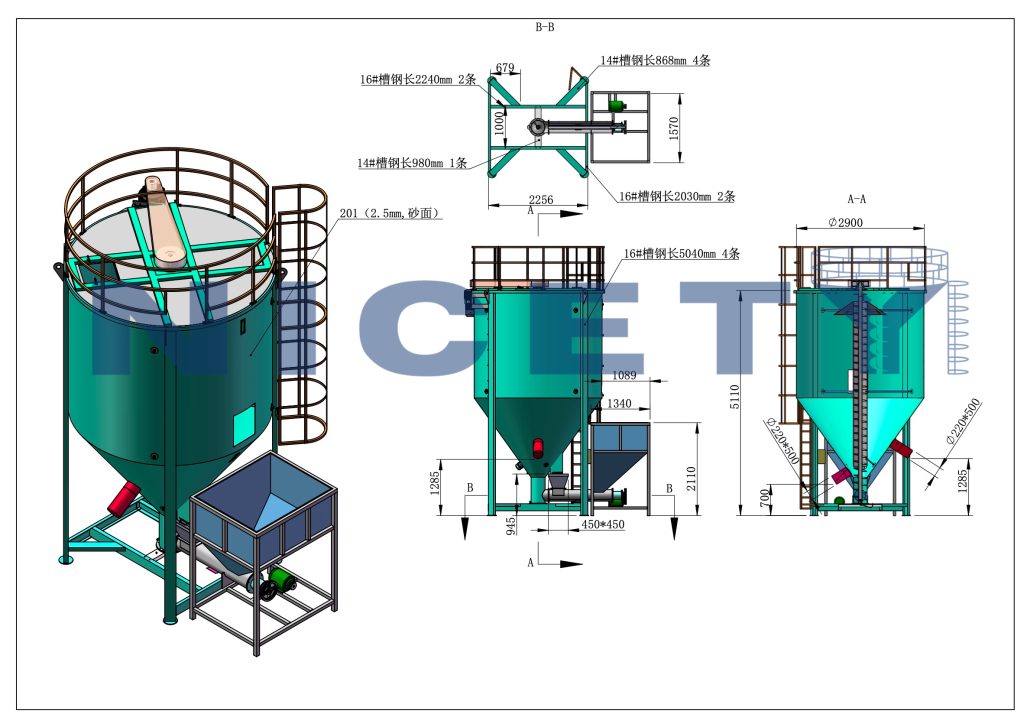
A strong premixing setup uses clear recipes, stable dosing, and the right mixer size, then links to a centralized feeding system13, so every extruder sees the same, repeatable blend every minute.
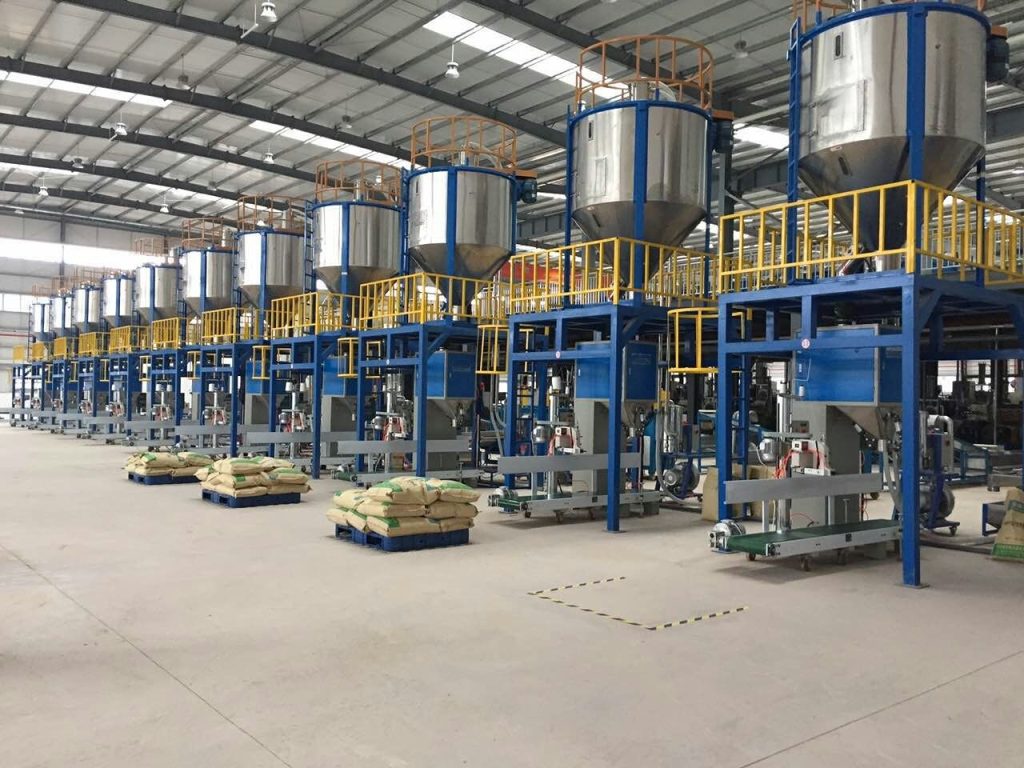
Key design points for a premixing and feeding system
When I walk into a plant, I first check if premixing and feeding are stable. A good system uses simple steps. First, accurate weighing of each resin and additive. Second, a mixer with the right volume, speed, and time. Third, a closed path that moves the premix to silos or day bins without segregation.
I also look at the human side. Are recipes clear and simple, or do operators guess? Is cleaning fast enough to support color changes without contamination? Do production and maintenance share the same targets for uptime and quality? If these points are weak, no new extruder can fix the problem.
A simple checklist I use with clients
| Item | Target practice |
|---|---|
| Batch mixer fill level | 60–80% of volume for good motion |
| Typical mixing time | 4–8 minutes, then sample and adjust |
| Additive dosing accuracy | Within ±0.2% for key stabilizers and lubricants |
| Traceability | Batch ID linked to extruder lot and QC results |
| Central feeding to extruders | Same premix source to all lines on that product |
When this backbone is in place, later upgrades, such as online gravimetric control or automatic cleaning, bring clear benefits and do not fight bad basics.
Conclusion
Premixing does not just tidy the process. It is my main lever to turn PP, PE, ABS, and PET formulations into stable, efficient, and profitable production lines.
-
Understanding premixing can enhance your production efficiency and product quality. ↩
-
Explore how premixing can significantly improve the quality of your plastic compounds. ↩
-
Learn about the critical role pigments have in achieving desired product characteristics. ↩
-
Discover how fillers can enhance the properties and reduce costs of your plastic products. ↩
-
Understanding mechanical properties is key to optimizing your plastic formulations. ↩
-
Understanding the extruder’s role can help you optimize your plastic processing. ↩
-
Learn how proper premixing can enhance the toughness and durability of ABS materials. ↩
-
Discover the factors that affect impact strength to enhance your product’s reliability. ↩
-
Explore the causes of surface defects to improve the quality of your plastic outputs. ↩
-
Gain insights into various additives that can improve the performance of your plastic materials. ↩
-
Explore the significance of crystallinity in determining the performance of PET materials. ↩
-
Understanding moisture control can prevent defects and improve the quality of PET products. ↩
-
Learn how a centralized feeding system can streamline your production process. ↩

_画板-1-副本-3-pxeey2xejyohpkvf07tglhvew6ks2ts3pjvhagm60c.png "NICETY MACHINERY Co., LTD")