_画板-1-1.png)
When material is loaded incorrectly, it can cause wasted energy, uneven mixing, and higher wear on the machine. This is a common and costly mistake for many factories.
The ideal loading capacity of a plastic vertical silo mixer is about 80% of its total volume. At minimum, material should cover the cone section to ensure proper mixing efficiency and avoid uneven blends.

When I first learned about mixers in plastics processing, I thought the bigger the load, the better. But experience taught me that loading too much or too little causes serious problems. This is why knowing the correct loading range is important.
What is the maximum ideal loading capacity of a vertical mixer?
Too much material in a vertical silo mixer can slow mixing and overload the motor. This can cause uneven results and shorten equipment life.
The ideal maximum loading capacity1 is about 80% of the total volume of the vertical mixer2. This keeps the material moving freely and mixing evenly.

I always give my customers a simple example. If you have a 10-ton vertical mixer, you should load it with around 8 tons. This balance keeps the blades working at the right speed and avoids unnecessary stress on the motor. In practice, I have seen machines fail earlier because operators insisted on filling them to the top. Once, a customer came to me after burning out a motor within a year. We adjusted his loading to 80% and he has had no breakdowns since.
Here is a simple table of examples:
| Mixer Total Capacity | Ideal Max Load (80%) |
|---|---|
| 5 tons | 4 tons |
| 10 tons | 8 tons |
| 20 tons | 16 tons |
What is the minimum ideal load3ing capacity of a vertical mixer?
Too little material in the mixer makes the mixing blades turn without enough resistance. This wastes power and gives uneven mixing results.
The ideal minimum load is enough to cover the cone section of the mixer. In many cases, this is about 500 kg for a standard-size machine.

I often tell customers that a mixer is like a blender in your kitchen. If you try to blend just one spoon of material, the blades spin without doing much work. In our industry, I have seen cases where operators try to “just run a quick batch” with 200 kg in a large machine. The results are always uneven. Covering the cone ensures the blades are fully engaged with the material. Below is a basic guide:
| Mixer Total Capacity | Minimum Ideal Load |
|---|---|
| 5 tons | 300–400 kg |
| 10 tons | 500–800 kg |
| 20 tons | 1–1.5 tons |
How to calculate the total capacity of a vertical mixer?
Not knowing the true total capacity4 of your mixer makes it hard to set the right loading range. Many customers guess, and they end up wrong.
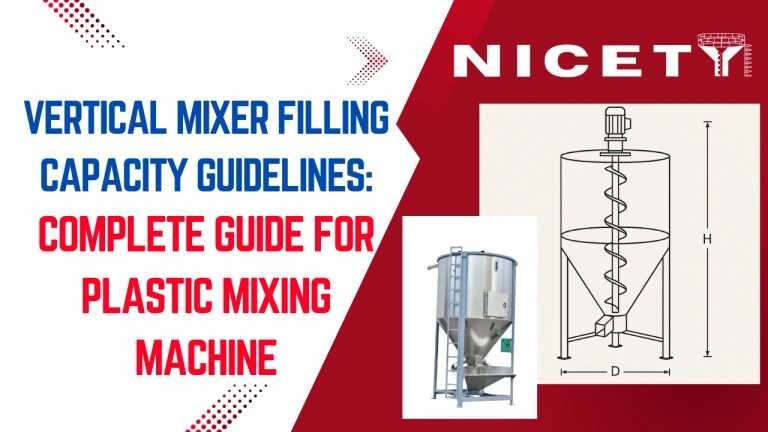
To calculate total capacity, measure the internal diameter, cylinder height, and cone height, then use the formula for volume of a cylinder and cone.

Here is a simple step-by-step method I share with customers:
- Measure the internal diameter of the mixer.
- Measure the height of the cylindrical section.
- Measure the height of the cone section.
- Calculate the volume of the cylinder:
V = π × (radius²) × height - Calculate the volume of the cone:
V = (1/3) × π × (radius²) × height - Add the two together to get the total volume in cubic meters.
- Multiply by the bulk density5 of your material (in tons/m³) to get total weight capacity.
| Part Measured | Needed for Formula |
|---|---|
| Diameter | To find radius |
| Cylinder Height | Cylinder volume |
| Cone Height | Cone volume |
| Bulk Density | Weight capacity |
Once you know total capacity, you can easily find the 80% max and minimum cone coverage amounts. This saves trial-and-error mistakes.
Safety precautions when loading and unloading?
Mixers can be dangerous if loading and unloading are done carelessly. Injuries, spills, and contamination can occur without proper care.
Always stop the mixer before loading or unloading. Wear protective equipment6 and follow the manufacturer’s safety rules.

I have seen more accidents happen during loading than during operation. A worker once tried to clear a blockage while the machine was still running. He was lucky to escape with only minor injuries. Always cut power before opening hatches. Wear gloves, safety glasses, and dust masks when handling materials. Check that discharge valves are fully closed before loading, and be sure the unloading area is clear of people. This is not only about personal safety—it also protects the machine and the product from contamination.
A basic checklist looks like this:
| Step | Safety Action |
|---|---|
| Before loading | Stop machine, check valves |
| During loading | Wear PPE, avoid overfilling |
| Before unloading | Stop machine, secure outlet |
| During unloading | Stand clear, control flow |
Conclusion
Knowing the ideal loading range for a vertical silo mixer improves efficiency, extends machine life, and keeps your team safe.
-
Understanding the maximum loading capacity is crucial for optimal performance and longevity of your mixer. ↩
-
Exploring the benefits of vertical mixers can help you make informed decisions for your mixing needs. ↩
-
Understanding the minimum ideal load can help ensure efficient mixing and optimal results in your operations. ↩
-
Understanding total capacity is crucial for optimal loading and efficiency in mixing processes. ↩
-
Exploring bulk density helps in accurately calculating weight capacity, ensuring effective material handling. ↩
-
Discover the importance of protective equipment to safeguard workers and maintain a safe working environment. ↩

_画板-1-副本-3-pxeey2xejyohpkvf07tglhvew6ks2ts3pjvhagm60c.png "NICETY MACHINERY Co., LTD")