_画板-1-1.png)
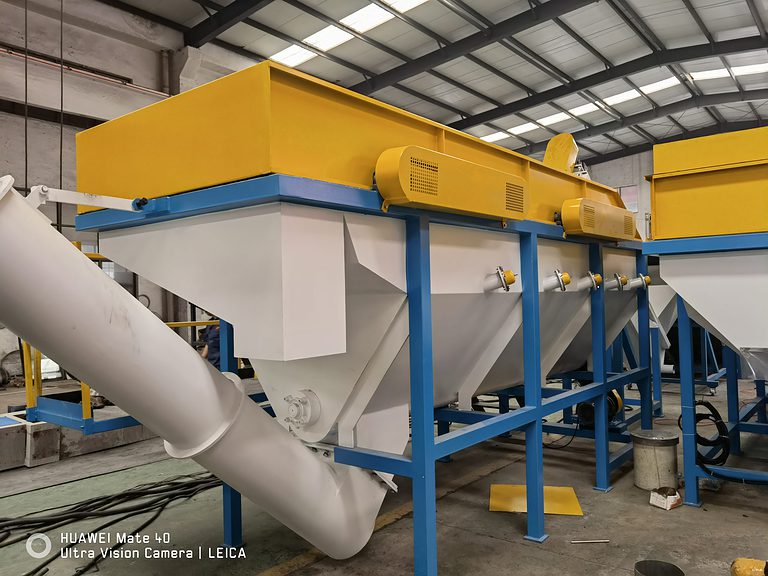
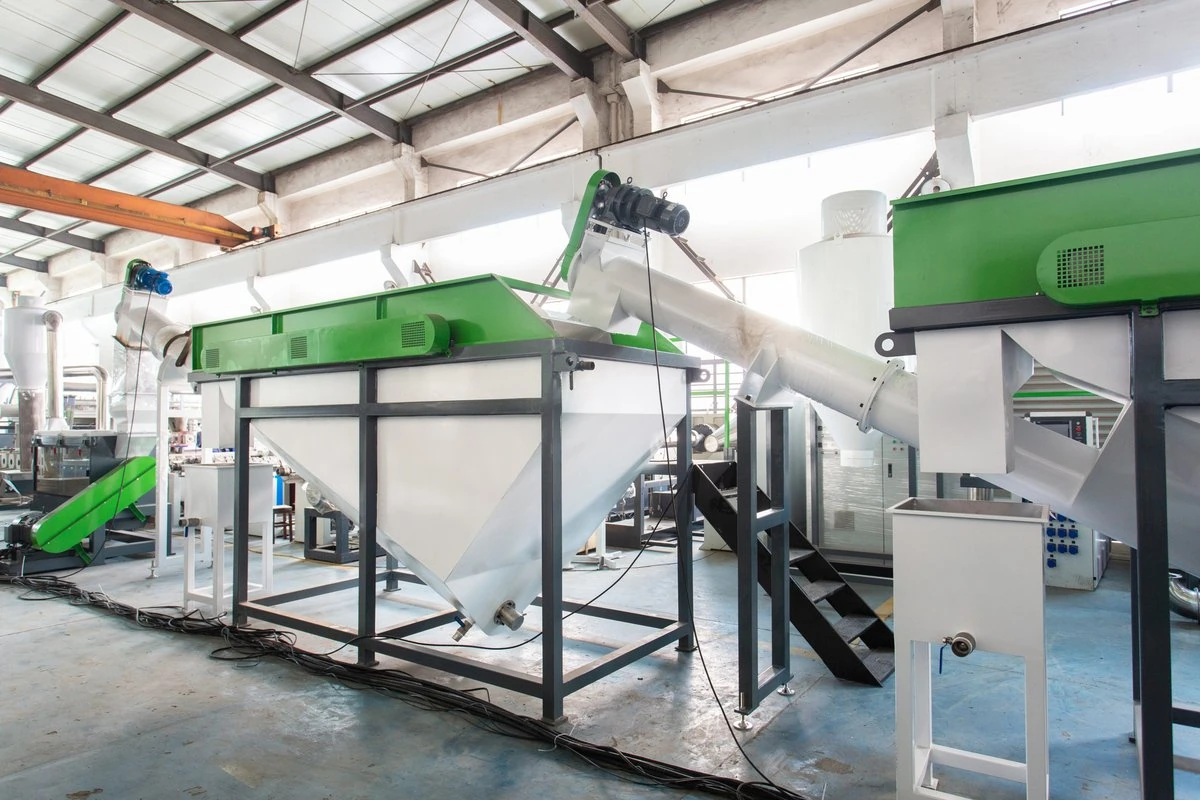
Struggling with inconsistent PET recycling results? A sink float separation tank is the solution to improve efficiency and purity.
A sink float tank separates materials based on density, improving the sorting process in PET recycling.
Without understanding its role, recycling lines lose efficiency. Read on to learn how this simple yet powerful tool can transform PET recycling.
What is a sink float tank?
Tired of recycling challenges caused by mixed materials? A sink float tank offers a simple yet effective solution.
A sink float tank uses water to separate plastics by density, allowing efficient sorting.

How does it work?
The sink float tank works by exploiting differences in material densities. PET plastic usually sinks, while other contaminants like PP or PE float. This density-based separation ensures that unwanted materials are easily removed, leaving PET ready for further processing. Learn more about how sink float tanks improve recycling efficiency.
| Material | Density (g/cm³) | Behavior in Sink Float Tank |
|---|---|---|
| PET | 1.38 – 1.40 | Sinks |
| PP (Polypropylene) | 0.85 – 0.92 | Floats |
| PE (Polyethylene) | 0.91 – 0.97 | Floats |
The tank ensures precise separation, improving the quality of recycled PET flakes.
Explore advanced technologies that enhance the performance of sink float tanks..
What is a sink tank?
Confused by similar-sounding terms? A sink tank and a sink float tank are not the same.
A sink tank is a broader term for containers that use liquid for separating dense materials.

Differences between sink and sink float tanks
- A sink tank might be used in various industries, while sink float tanks are specialized for recycling.
- Sink float tanks specifically sort materials by density, critical for PET recycling. Learn more about the differences between sink and sink float tanks.
Using the right equipment reduces contamination, ensuring high-quality recycled PET suitable for reuse. Explore how proper sorting equipment enhances PET recycling quality.
Will PET plastic sink?
Not sure how PET behaves in water? Its density provides a clear answer.
Yes, PET plastic sinks in water due to its density being higher than 1 g/cm³.
PET sinks in water due to its higher density, streamlining the recycling process.

Why is this important?
PET’s sinking behavior allows separation from less dense plastics like PE or PP. This natural characteristic ensures the sink float tank effectively separates PET without complex technology. The result is higher efficiency and better material purity in recycling lines. Learn more about the properties of PET that aid in recycling.
Why is PET easier to recycle?
Struggling to understand why PET is preferred in recycling? Its properties make it stand out.
PET’s unique properties, like density and durability, simplify the recycling process.

Key factors that make PET recycling efficient:
- Density: Ensures easy separation in the sink float tank.
- Thermal Stability: Withstands heat during processing.
- Versatility: Recycled PET (rPET) can be reused for bottles, fibers, and packaging. Discover the key factors that make PET ideal for recycling.
| Advantage | Benefit in Recycling |
|---|---|
| High Density | Easy separation in float tank |
| Chemical Stability | Maintains quality in reuse |
| Market Demand | High-value recycled product |
These factors make PET a preferred material in global recycling efforts. Learn about the demand for recycled PET and its market potential.
Conclusion
A sink float separation tank plays a vital role in PET recycling by efficiently separating materials based on density. Its proper use ensures better recycling outcomes, higher material purity, and lower operational costs.

_画板-1-副本-3-pxeey2xejyohpkvf07tglhvew6ks2ts3pjvhagm60c.png "NICETY MACHINERY Co., LTD")