Plastic Recycling Machine China Manufacturer

Your Partner in Customized Plastic Recycling Machinery!

Plastic Recycling Machine Manufacturer In China

At Nicety, we take pride in our global reach with customers including the Middle East, Russian, North America, and South America. Our successful delivery solutions have earned us positive feedback from satisfied clients worldwide.

All equipments certified by ISO9001, CE, URL certification Etc.

High quality, cost effective, low failure rate plastic recycling machine.

Professional after-sales service with quick response to your needs.

What plastic materials can be recycled?

We can design almost all of the common everyday plastic recycling programs for you.
They include:

  • PET (Polyethylene Terephthalate) – water bottles, soda bottles.
  • HDPE (High-Density Polyethylene) – milk jugs, detergent bottles.
  • PVC (Polyvinyl Chloride) – pipes, clear food packaging.
  • LDPE (Low-Density Polyethylene) – agricultural film, drip tape.
  • PP (Polypropylene) – jumbo bag, straws.
  • PS (Polystyrene) – foam cups, take-out containers (less commonly recycled).
LDPE Agricultural Film recycling
LDPE Agricultural Film
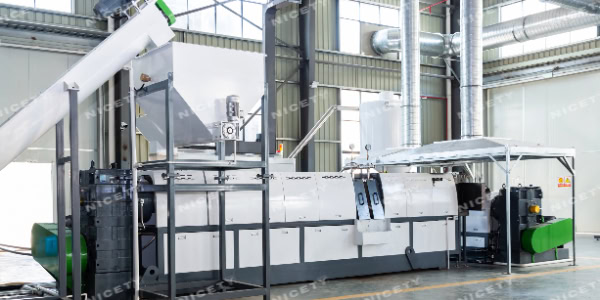
plastic recycling machine
HDPE Containers
pet bottles
PET bottles
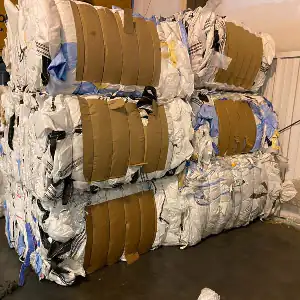
pp bag recycling machine
PP Jumbo bag / Fabric
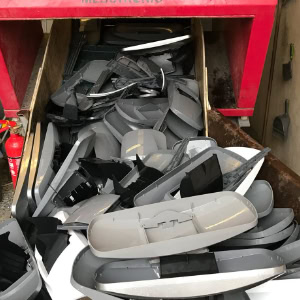
abs plastic recycling machine
ABS / WEEE Waste
ps plastic recycling machine
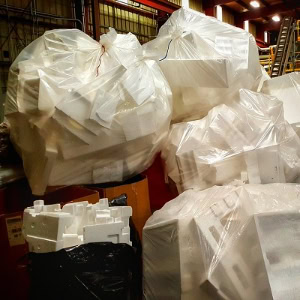
PS waste

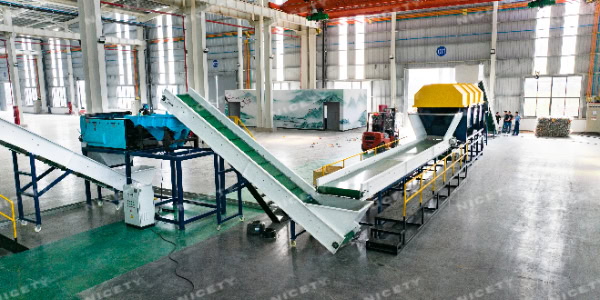
Plastic Washing Machinery Technical Characteristics List

Understand the footprint, utility, and personnel requirements for different production output capacity to evaluate your plastics recycling costs.

Developing your recycling program for now

Whether it’s the washing part or the pelletizing part, that’s what we specialize in!

What are the common plastic recycling equipment?

Know what common equipment is needed for recycling (washing and pelletizing sections) and understand their roles and functions.

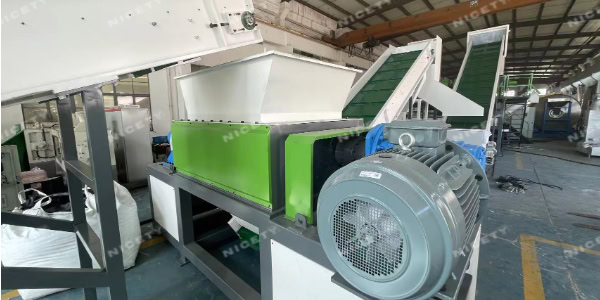
Plastic shredder reduces waste into smaller pieces for recycling, handling bulky rigid plastics and films. It’s used for pre-shredding to improve processing.
Magnet separator installed on belt conveyors remove ferrous metals from plastic streams, ensuring purity and protecting other equipment in recycling.
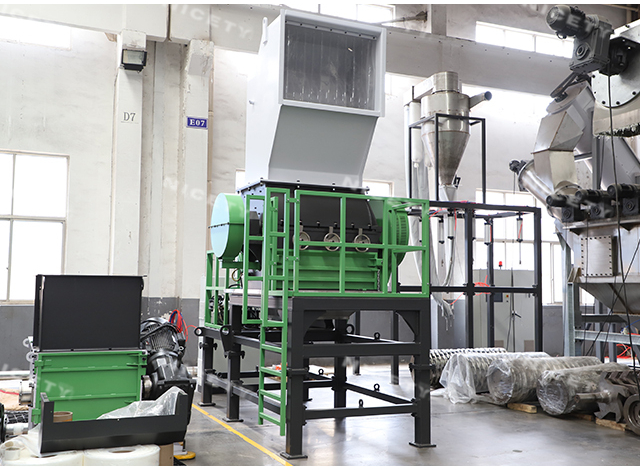
Plastic crusher breaks down plastic waste into 12-30mm smaller pieces, making it easier to clean, melt, and recycle efficiently.
The plastic friction washer machine cleans and removes contaminants from plastic waste by using high-speed friction and water rinsing.
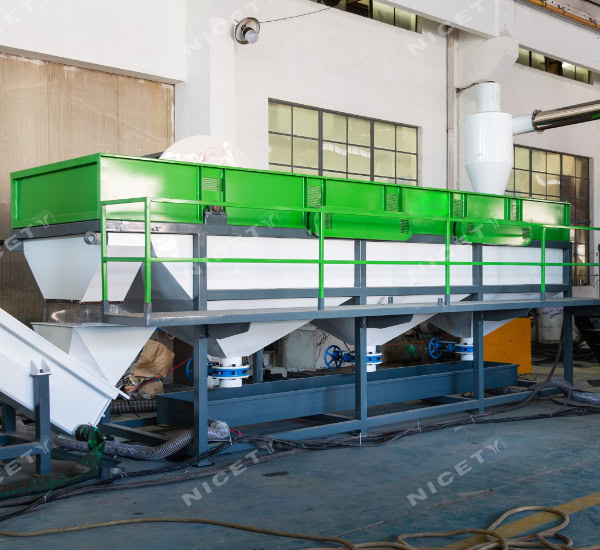
Plastic washing tanks are used to separate floating plastics from contaminants like heavy plastics, mud, and metals. The contaminants can be easily removed through the under-tank discharge valve.
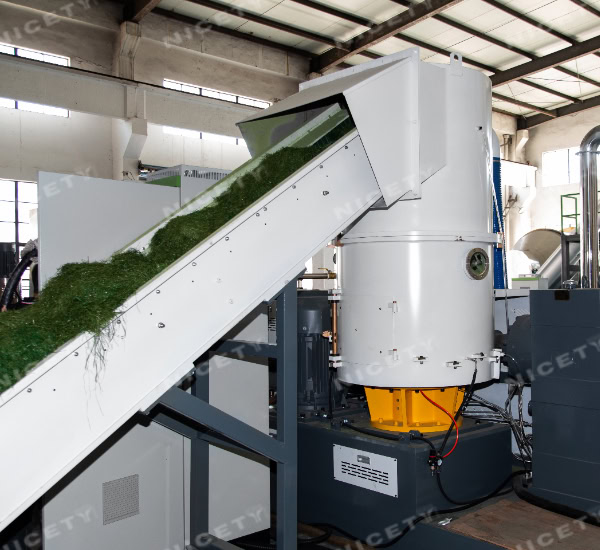
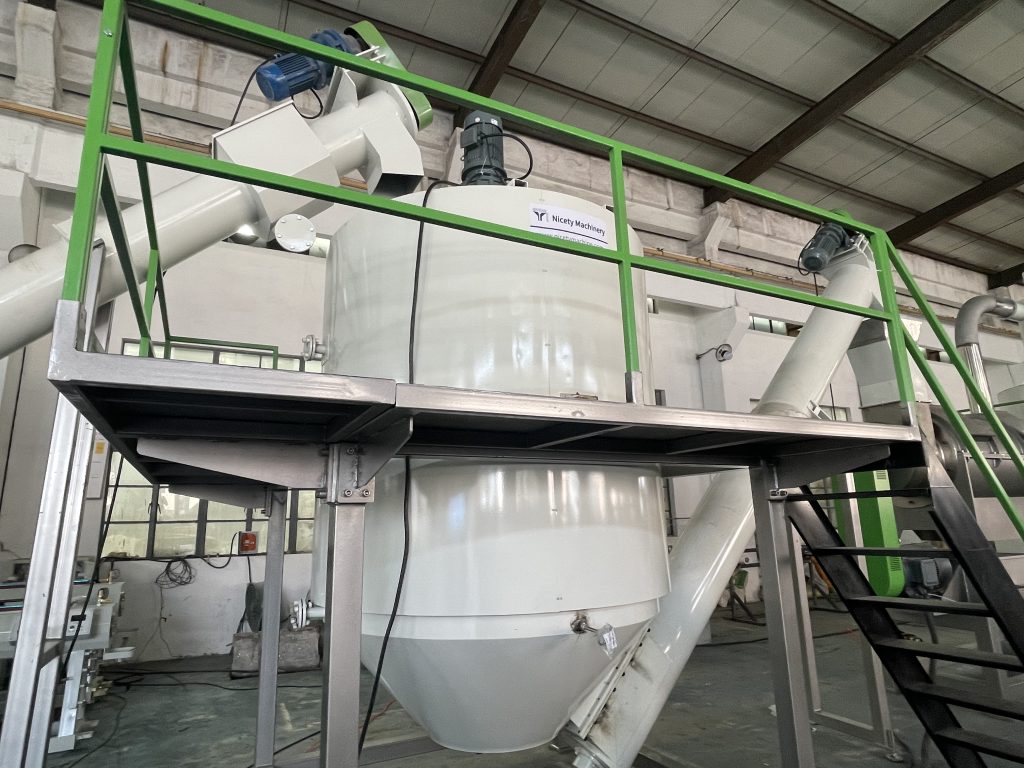
A compacting silo in plastic extrusion pelletizing stores and densifies lightweight material, improving feeding efficient for pelletizing stabilization.
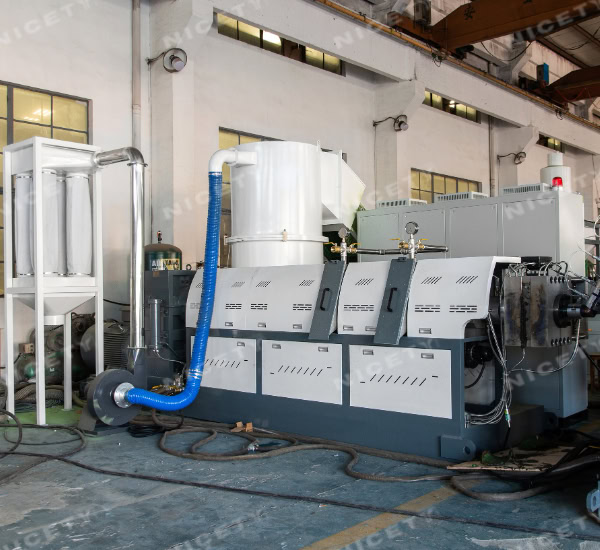
As the core of the pelletizing system, it is used to melt the plastic material to a semi-liquid state for filtration through a back filter.
Minim mollit non deserunt ullamco est sit aliqua dolor do amet sint. Officia nsequat duis enim velit mollit.
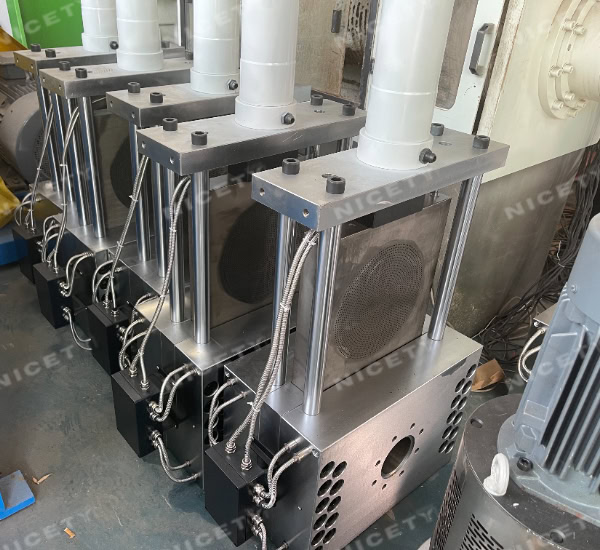
The screen changer in a plastic pelletizing system filters contaminants from molten plastic, ensuring product purity and smooth extrusion.
This includes extrusion dies, cooling tanks, pelletizer and air dryers.
Vibrating screens is used to separate materials by size through vibration, ensuring efficient sorting and uniformity in the final material size.
The silo stores raw plastic pellets or flakes, ensuring a continuous supply for manufacturing processes and preventing contamination.

What is the process of recycling plastics?

Main Steps and Purpose of Recycling Plastics (PP/PE/HDPE/LDPE)

STEP 1

Sorting

  • Purpose: To separate different types of plastics to prevent contamination during processing.
  • Process: Manual or automated systems (e.g., optical sorters) classify plastics based on chemical composition or density. Techniques like float-sink separation help distinguish materials such as PP, PE, HDPE, and LDPE.
STEP 2

Washing/Cleaning

  • Purpose: To remove contaminants such as oils, adhesives, dirt, or labels.
  • Process: Plastics are washed using water or chemical solutions. In some cases, hot water or alkaline solutions are used to ensure a thorough cleaning.
STEP 3

Shredding and Crushing

  • Purpose: To reduce plastic products into smaller pieces for easier processing.
  • Process: Shredders or crushers break down large plastic items (like bottles and bags) into smaller chunks to enhance melting and further processing efficiency.
STEP 4

Melting and Extrusion

  • Purpose: To melt the shredded plastic, preparing it for molding or reuse.
  • Process: The melted plastic passes through an extruder, forming filaments or pellets (known as recycled resin) for later use in new products.
STEP 5

Pelletizing

  • Purpose: To produce plastic pellets that are easy to store, transport, and reuse.
  • Process: The molten plastic is cooled and cut into uniform pellets, which manufacturers can use in production.
STEP 6

Collection and Packing

  • Purpose: To organize and package recycled plastics for efficient storage and transportation.
  • Process: The recycled plastic pellets or flakes are collected, weighed, and packed into bags, boxes, or containers. Proper labeling ensures that the materials can be efficiently tracked and delivered to manufacturers.

What Are the Key Technical Specs For Plastic Recycling Machines?

Understanding these specs will help you choose the right machine for optimal performance in your recycling operations.

1. Capacity

Indicates how much material the machine can process per hour. These include input and output capacity.

2. Material Compatibility

Machines are designed for various plastics like PE, PP, PET, and HDPE, Etc. differentiated by factors such as melting points, density, and contamination levels. Specialized configurations ensure optimal processing tailored to each material type.

3. Moisture Removal Efficiency:

Key for reducing drying costs, this feature is especially important for washed plastics. Machines with advanced dewatering and squeezing technologies deliver lower moisture content.

4. Output Size Control:

Determines the size of flakes or pellets, crucial for downstream applications. Adjustable screens or pelletizing systems allow producers to meet specific end-product requirements.

5. Construction and Durability:

Use of wear-resistant materials like 304 SUS or special alloys enhances longevity, especially in high-wear areas like cutters, screws, and washers.

6. Motor Power and Electrical Components:

Motor power (e.g., 45 kW – 90 kW) impacts efficiency. High-quality components from Siemens, ABB, Schneider, and Omron provide reliable performance, reduce maintenance, and minimize operational disruptions.

How to Determine the Power and Energy Consumption from a Quotation?

To determine the rated power and energy consumption of recycling equipment from a quotation, you should look for the following details:

HDPE Waste Recycling Machine
PP/PE Rigid Recycling Machine
PP/ PE Film Recycling Machine
Agricultural Film Recycling Machine
Soft Plastic Material Pelletizing System
Hard Plastic Material Pelletizing System

01

Total Power:

The technical specifications section of the quotation usually lists the total power required by each machine or the entire production line. This indicates the maximum electrical demand of the equipment during operation.

02

Actual Energy Consumption:

Actual energy consumption is usually given as a percentage of total power. For instance, if total power is 300 kW and consumption is 65%, the actual usage would be 195 kW. Quotations may also mention energy-saving features like high-efficiency motors or frequency control, which reduce overall power consumption.

03

Power of Individual Components:

Quotations typically list the power rating for each component, such as conveyors, crushers, and washers. Understanding the power requirements of each unit helps to calculate the overall power needs of the production line.

04

Power Supply Requirements:

This section will detail the voltage and frequency requirements, such as “380V 3P 50Hz.” It ensures that your facility can meet the equipment’s electrical demands

05

Water and Power Efficiency:

For some equipment, such as washing lines, the water and power consumption rates may be listed. For example, “Water circulation requirement: 8-10 tons/hour” or “Cooling water temperature: 5-30°C.”

How to Calculate Power Metrics for Plastic Recycling Lines?

To calculate the rated power, actual power usage, and power consumption for a plastic recycling production line, follow these summarized steps:

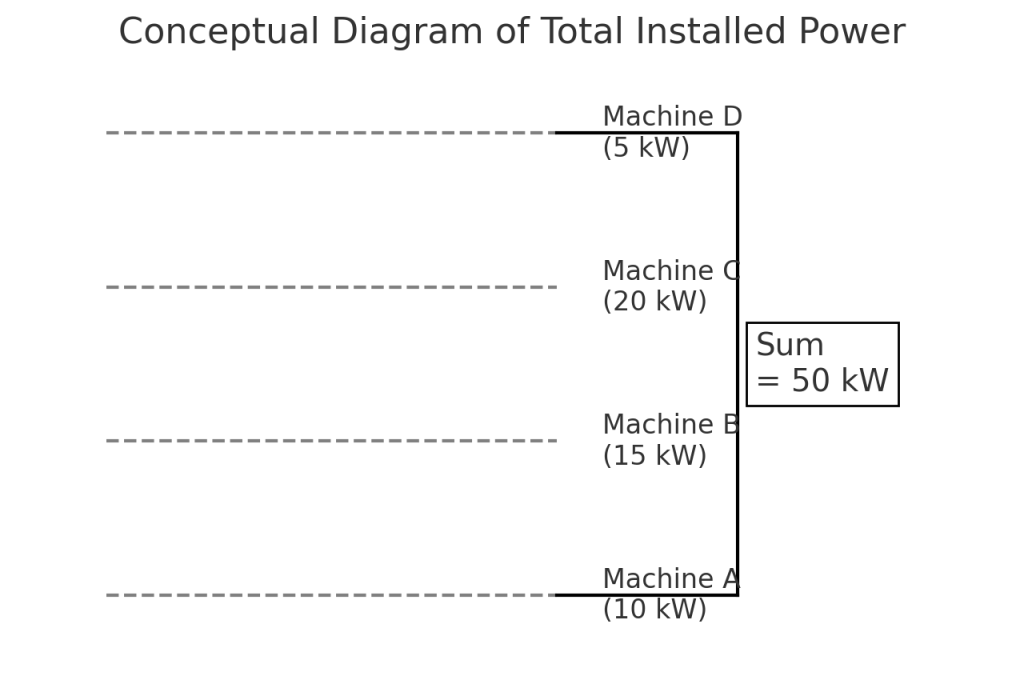
conceptual diagram of total installed power

Sum up Rated Powers

Add the rated power of each machine listed on nameplates or manuals.

Calculation: Total Rated Power=∑(Individual Machine Rated Power)

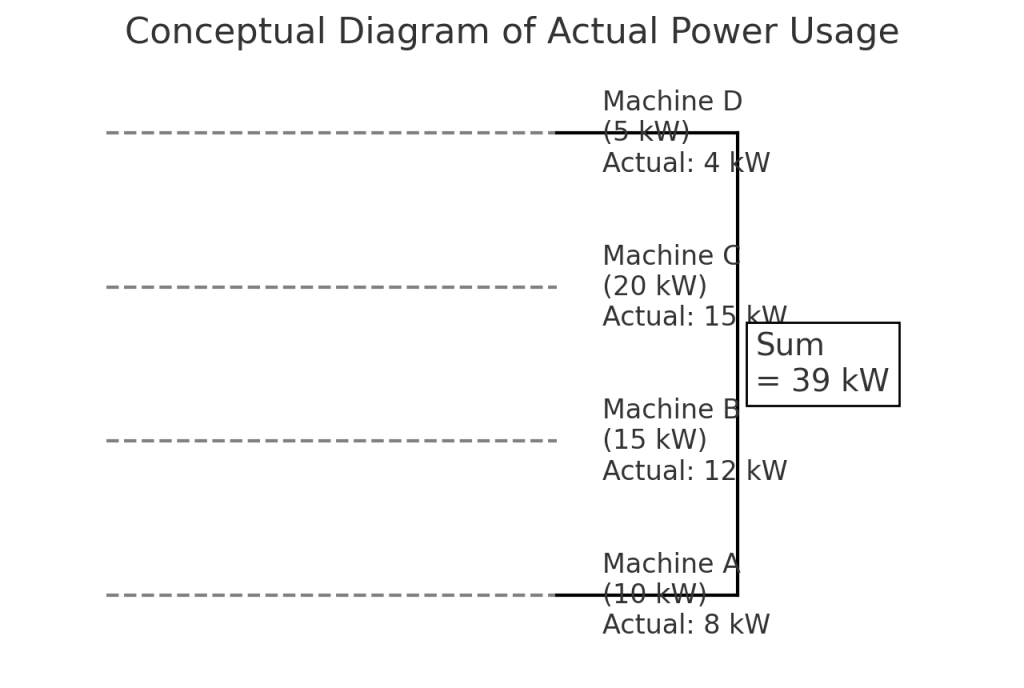
conceptual diagram of actual power usage

Monitor or Estimate

Use power monitoring tools to record actual power or estimate based on load and operating conditions.

Adjust for Load: Actual power can be less than rated if machines are not fully loaded.

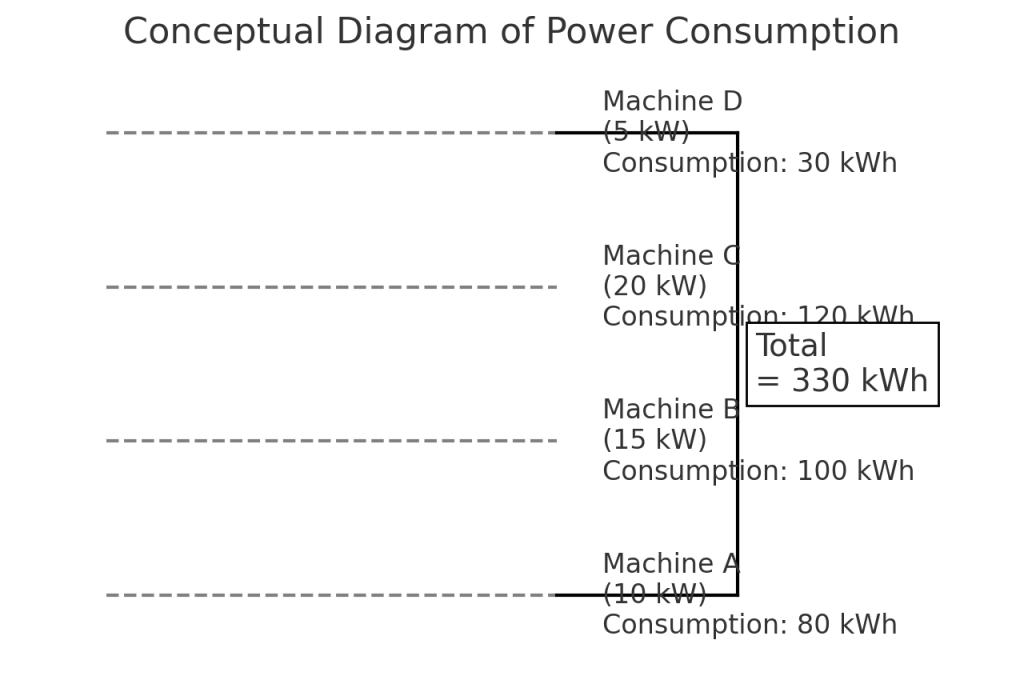
conceptual diagram of power consumption

Calculate Power Consumption

Multiply the actual power by operating hours to find kWh.

Power Consumption (kWh)=Actual Power (kW)×Operating Hours

For the Entire Line:

Total Power Consumption=(Power Consumption per Machine)

What Are the Space and Facility Requirements for Production Equipment?


To determine the space requirements of the production equipment and identify additional necessary facilities, consider the following aspects:

PET pelletizing system PDF
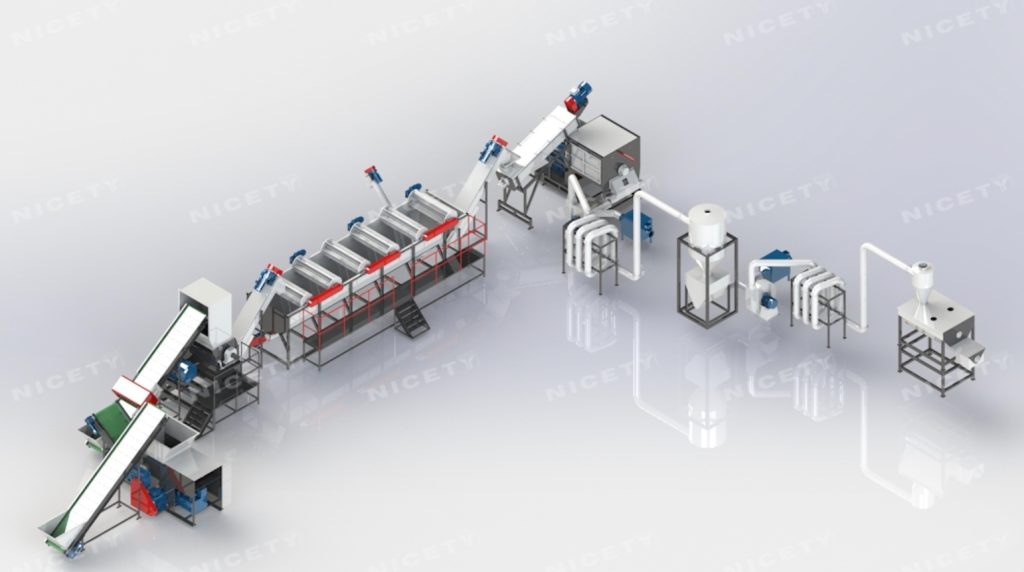
plastic washing machine design layout draft

Equipment Footprint

The footprint of the equipment is usually specified in technical parameters or quotation documents. Key details include:

  • Layout Diagrams: These provide the exact dimensions (Length × Width × Height) of each machine and the overall footprint of the production line.
  • Linear or Corner Layout: Some equipment allows flexible layouts, either in a straight line or with corner arrangements, depending on your facility’s space.

Examples:

  • The 1000kg/h PET Washing Line requires a space of 85m x 4.5m x 7m, suitable for straight or corner layouts​.
  • The 500kg/h PET Washing Line has a footprint of 65m x 5m x 6m, and can also be laid out in straight lines or with corners​.

Adequate space for operators and maintenance access should be provided to ensure safe and efficient operation, with clear pathways around the equipment.

PET Bottle Washing Line Electric Control Box

Power Supply:

Ensure a suitable power supply according to the equipment’s requirements, such as 380V three-phase or other specified voltages. Adequate distribution capacity is necessary to handle the equipment’s power consumption.

nicety machinery hdpe washing line 23

Water Supply and Reservoir:

Washing lines typically require a significant amount of water, often with a circulation pool. For instance, some systems need a water flow of 5-20 tons per hour and a reservoir capacity of ≥10 m³ or more​​.

air compressor

Compressed Air Supply and water cooling system:

Some equipment, such as sorting systems, may need compressed air, requiring air compressors and piping.

What factors affect the output of plastic recycling machines?

Several variables determine the efficiency and productivity of plastic recycling machinery. Understanding these factors helps optimize performance.

1
Type of Plastic

Different plastics (e.g., LDPE, HDPE, PET) vary in processing difficulty. Generally speaking, it is easier to achieve a higher yield with rigid plastics than with soft plastics such as plastic film or plastic fabric material.

2

Feed Size and Shape

Larger or irregular materials need more pre-processing, which slows down production.

3

Equipment Configuration

The configuration and combination of different equipment in the line affect the overall production efficiency. For example, how crushers, washing tanks, and dewatering systems are combined will determine the overall processing speed and output​.

4
Washing Difficulty

The level of contamination in the plastic material affects output. Heavily contaminated materials may require multiple washes or longer cleaning times, thereby lowering the overall line output​.

5
Moisture and Drying Conditions

The moisture content of the material and the efficiency of the drying equipment also affect the final output. High-moisture materials may need extended drying times, and insufficient drying capacity can limit overall production​.

What Are the Routine Maintenance Practices for Plastic Recycling Machinery?

Routine maintenance is essential for maximizing the lifespan and performance of plastic recycling machinery. Here are key recommended practices:

Daily Maintenance:

  • Visual Inspection: Check the machine for any visible wear, leaks, or loose components. Inspect belts, screws, and electrical connections.
  • Cleaning: Clean the machine surfaces, especially the areas around cutting blades and conveyors, to prevent debris build-up that can affect performance.
  • Lubrication: Ensure that all moving parts, like bearings and gears, are properly lubricated. Use recommended lubrication oils (e.g., Exxon Mobile).
  • Temperature Checks: Monitor motor and gearbox temperatures to ensure they are within the safe operating range.

Monthly Maintenance:

  • Electrical System Check: Inspect electrical connections, contactors, and switches to ensure they are functioning correctly and are free from moisture or corrosion.
  • Bearing Inspection: Check the condition of all bearings. Replace any that show signs of wear or overheating.
  • Hydraulic System Maintenance: Check the hydraulic fluid level and quality. Replace the fluid if it appears contaminated.
routine maintenance practices for plastic recycling machinery 1

Weekly Maintenance:

  • Blade Inspection and Sharpening: Check the condition of cutting blades, such as shredders and crushers. Sharpen or replace if they are dull to maintain cutting efficiency.
  • Filter Cleaning: Clean or replace filters in the hydraulic and lubrication systems to maintain fluid cleanliness.
  • Check Alignment: Ensure that the belts and conveyors are properly aligned and tensioned to avoid operational disruptions.

Quarterly Maintenance:

  • Gearbox and Motor Maintenance: Inspect and replace the oil in gearboxes if needed. Check the motor brushes and replace them if necessary.
  • Detailed Inspection of Key Components: Perform a thorough check of major components such as crushers, washers, and dryers. Tighten all bolts and screws to prevent loosening due to vibration.

Annual Maintenance:

  • Comprehensive Overhaul: This may involve dismantling critical parts of the machine for a detailed inspection, cleaning, and replacement of worn parts.
  • Calibration and Alignment: Recalibrate all sensors and ensure that conveyors, screws, and other moving parts are properly aligned.
  • Replacement of Worn Parts: Change out parts that have reached the end of their service life, such as blades, screens, and seals.
routine maintenance practices for plastic recycling machinery 2

Mastering the Plastic Recycling Process: A Comprehensive Guide for Factory Owners

Introduction

Plastic is everywhere! From bottles to packaging, it’s a material we use daily. But the big question is: what happens when we’re done with it? Recycling, of course! But the plastic recycling process is more than just tossing things into the right bin. It’s a fascinating journey that turns waste into something valuable again.

In this article, I’ll walk you through the entire recycling process—from collection all the way to the final product. Whether you’re a plastic recycling factory owner or just someone curious about how the process works, buckle up! There’s a lot to learn about how plastic gets a new life.

What is the Plastic Recycling Process?

The plastic recycling process is a series of steps: collecting, sorting, cleaning, shredding, melting, and pelletizing plastic waste to turn it into reusable material. Sounds simple, right? But each step has its own technical bits, especially when you’re dealing with different types of plastics like PP, PE, PET, and PVC. Don’t worry—I’ll break it all down!

How is Plastic Recycled Step by Step?

Let’s dive into each stage to understand how it all works.

1. Collection and Distribution

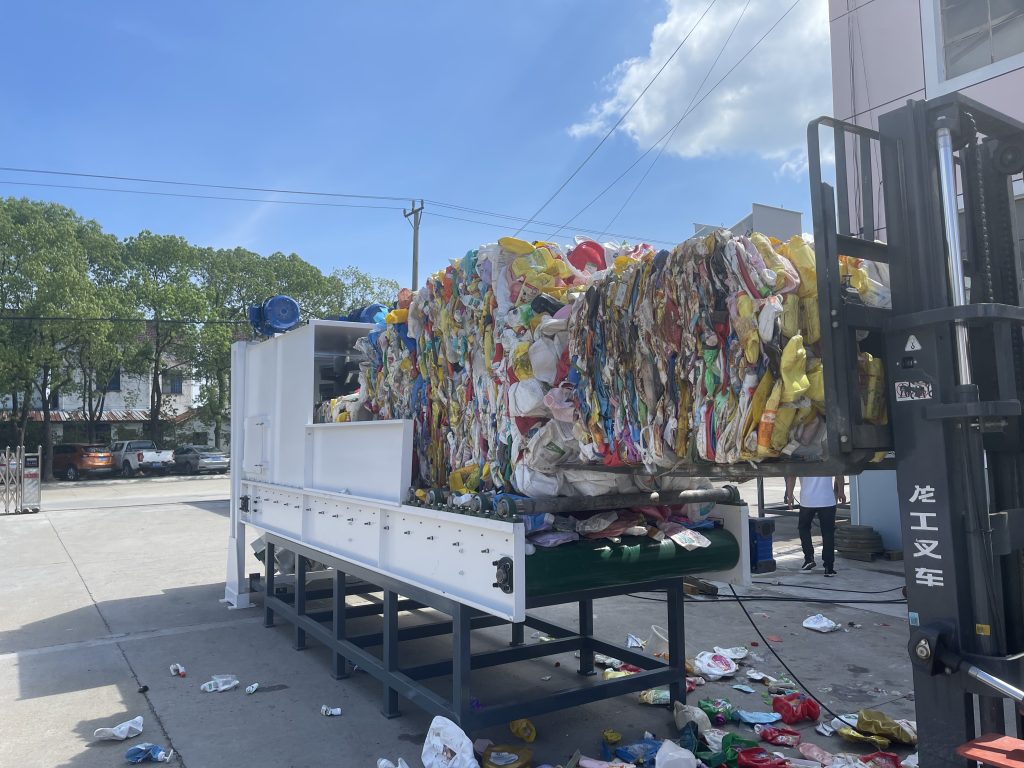
bale opener

First things first, we need to gather up the plastic waste. This can come from just about anywhere—think homes, factories, and even businesses. Some of it gets collected from public bins, and some from industries like packaging or manufacturing.

For factory owners, this means working with bulk collections of plastic waste. It’s a good idea to partner with reliable waste suppliers who can provide consistent material for recycling. More input means more output, right?

2. Sorting and Categorizing

Here’s where the real magic starts: sorting! Not all plastics are the same, and if you mix them up, you won’t get good results. In most cases, we sort by the type of plastic and its properties. This matters because different types of plastic (like PET, PVC, PP, and PE) need different recycling treatments.

nicety machinery hdpe plastic washing line

And here’s a cool trick: plastics like PP and PE are lighter than water, so they float during washing. On the other hand, PET and PVC are heavier and sink. Smart machines can even “see” the type of plastic and sort it automatically!

3. Washing and Cleaning

nicety machine friction washer machine

Once sorted, we need to clean these plastics up. This is super important because nobody wants their final product full of dirt, food, or labels! We use hot water and sometimes cleaning agents to get rid of all the grime.

For factory managers, the quality of the washing equipment is key. At NICETY, we make sure our washing lines can handle all the sticky bits so your recycled material turns out clean and ready for the next steps.

4. Shredding or Resizing
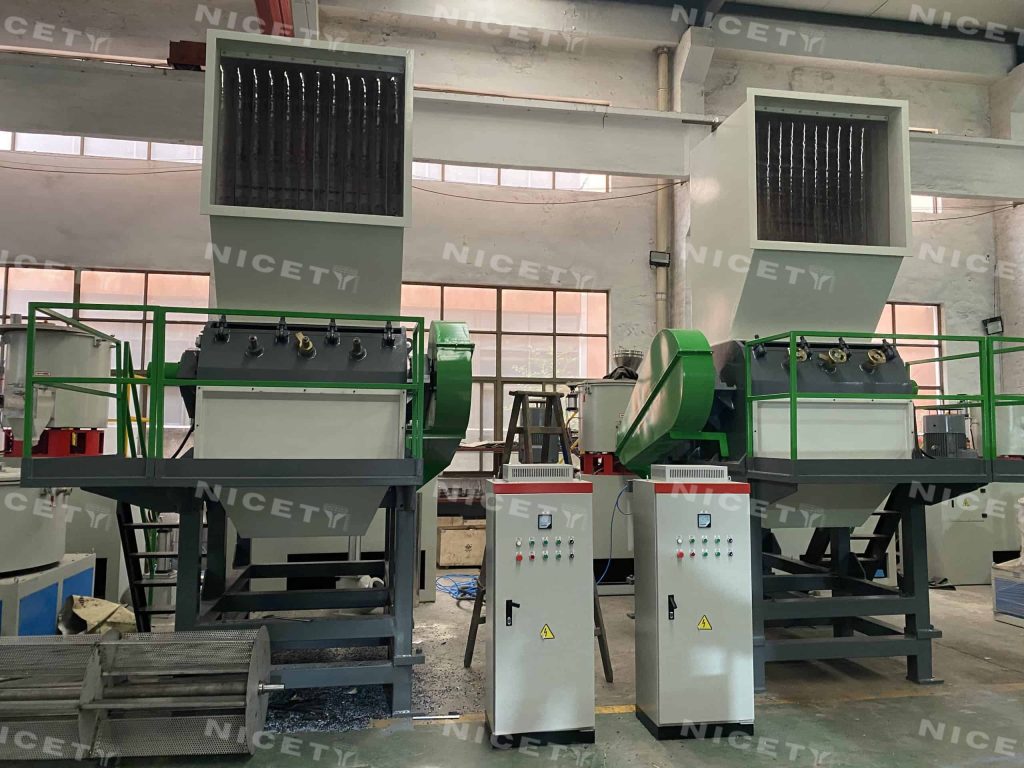
Plastic Crusher
Plastic Crusher

Now that the plastic is nice and clean, it’s time to chop it up! Shredding breaks the plastic into smaller pieces, often called flakes. These flakes are much easier to work with in the later stages.

Think of this like prepping ingredients before you cook: smaller pieces melt faster and more evenly. Factory owners know that getting the right size flakes can make or break the efficiency of the entire recycling line.

5. Melting and Pelletizing

Plastic pelletizing

Now, it’s time to melt those flakes down and turn them into something useful. The melted plastic gets shaped into tiny pellets, which are super easy to transport and reuse.

Different types of plastics need different types of machines. For example, PP and PE love a good single-screw extruder, but PET and PVC need the extra power of a twin-screw granulator. This is where NICETY comes in with customized solutions to make sure your factory’s machines match your needs perfectly.

PP/PE Single Screw Twin Stage Water-Ring Pelletizing Line | Best Choice for Plastic Pelletizing

What Happens to Plastic Bottles When They Are Recycled?

Ah, plastic bottles—something we see every day! Recycling them follows the same steps but requires special care during cleaning and shredding. The bottles are first washed to remove any residue (nobody wants leftover soda in their new products!). Then they’re shredded into tiny flakes, which are melted down into pellets and reused.

So, next time you toss a bottle into the recycling bin, know that it’s on a journey to become something new—maybe even another bottle!
PET bottle hot washing system

What Percentage of Recycling Actually Gets Recycled?

Here’s a surprising fact: only about 9% of all plastic gets recycled globally. Yikes! That’s why it’s so important for factory owners and production managers to invest in efficient recycling machines that maximize the amount of plastic that can be reused. Every little bit counts, both for the environment and your bottom line!

Types of Plastic Recycling Equipment and Why They Matter

Choosing the right equipment is crucial. From washing lines to granulators, each piece of machinery plays a key role in the process. At NICETY, we specialize in creating machines that are reliable, durable, and tailored to meet the specific needs of different types of plastic.

  • Washing Lines: These are the MVPs of the cleaning stage. If your washing line isn’t up to par, you’ll end up with contaminated flakes, which no one wants.
  • Granulation Lines: These machines handle the pelletizing stage. Whether you’re dealing with PP, PE, PET, or PVC, our customized granulators ensure you get high-quality pellets every time.
HDPE Plastic Waste Hot Washing Recycling Line | Full Process Explained And Equipment Required

What Factory Owners Need to Consider When Choosing Equipment

If you’re a factory owner, you know how tricky it can be to choose the right recycling equipment. There are so many factors to consider—quality, price, after-sales support, and whether the equipment can be customized to your needs. Plus, you want to make sure the supplier is reliable and can deliver on their promises.

At NICETY, we understand these concerns. That’s why we offer not only top-quality machines but also stellar after-sales service to make sure your operations run smoothly. We provide warranties and offer flexible payment terms to help you feel confident in your investment.

How to Boost Your Recycling Efficiency

Want to make your plastic recycling process even more efficient? Here are a few tips:

  1. Invest in High-Quality Equipment: It’s worth spending a bit more upfront to get machines that will last longer and work better.
  2. Keep an Eye on Quality Control: Make sure your plastics are clean and sorted properly before processing.
  3. Regular Maintenance: Don’t skimp on maintaining your machines. A little upkeep goes a long way in avoiding costly breakdowns!

Conclusion

Recycling plastic isn’t just good for the environment—it’s good for business too! With the right equipment and processes in place, you can turn waste into valuable products while keeping your operation efficient and profitable.

Whether you’re looking for washing lines, shredders, or pelletizing machines, NICETY has the right solutions to help your recycling factory thrive. Contact us today, and let’s talk about how we can customize equipment to meet your specific needs!

REQUEST A QUOTE

Request A Free Quote

We'd like to work with you

Send us a message if you have any questions or request a quote. Our experts will give you a reply within 24 hours and help you select the right machine you want.