_画板-1-1.png)

Polyethylene terephthalate (PET) bottles are widely used for packaging various liquids such as water, soft drinks, and other beverages. After use, PET bottles can be recycled and reused, which is beneficial for the environment.

However, PET bottles need to be properly cleaned and washed before they can be recycled. This cleaning process involves hot and cold washing lines, which differ in their temperature and cleaning methods.
Hot Washing Lines:

Hot washing lines use high-temperature water to clean PET bottles. The process involves several stages, including pre-washing, hot washing, rinsing, and drying.
The pre-washing stage involves removing any large debris or labels from the bottles. The bottles are then loaded onto a conveyor belt and passed through a hot washing chamber where they are exposed to high-temperature water, usually around 80-90°C.
The hot water helps to remove any remaining debris, labels, and organic material from the bottles. The bottles are then rinsed with clean water to remove any remaining dirt and debris. Finally, the bottles are dried using hot air.
Hot washing lines typically consist of several components, including a pre-washing station, hot washing chamber, rinsing station, and drying tunnel. The pre-washing station usually consists of a shredder or crusher, which breaks down the bottles and removes any large debris or labels.
The bottles are then conveyed to the hot washing chamber, which consists of a series of tanks that are heated to the required temperature. The bottles are agitated in the tanks to help remove any remaining debris and organic material.
The rinsing station typically consists of several tanks filled with clean water, which rinse the bottles to remove any remaining dirt and debris. The drying tunnel uses hot air to dry the bottles before they are sent to the next stage of the recycling process.
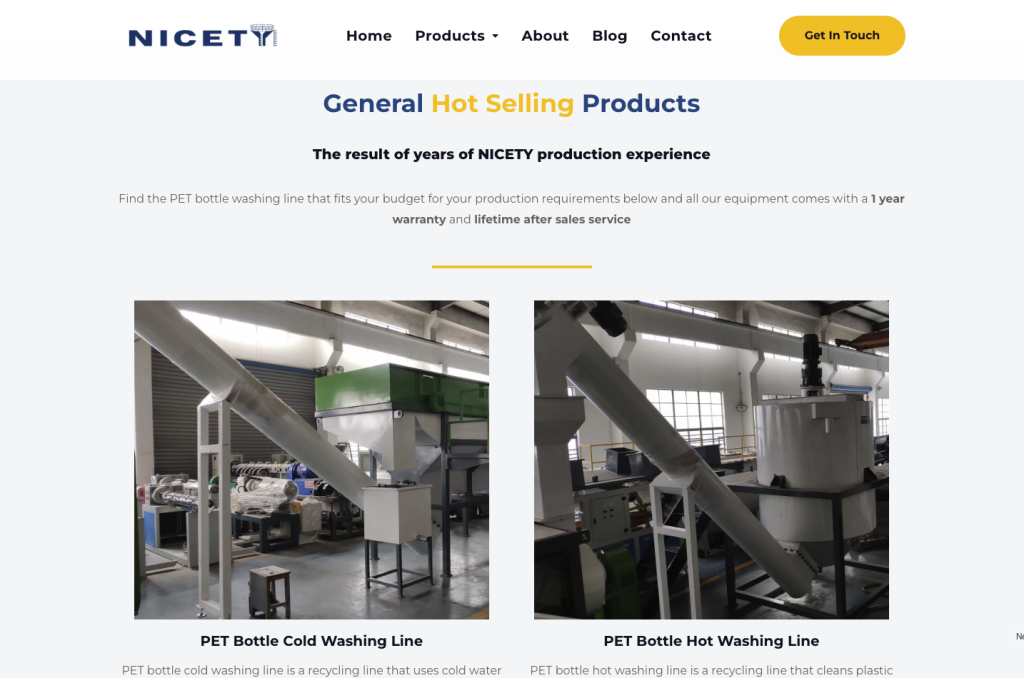
Cold Washing Lines:
Cold washing lines use room temperature water to clean PET bottles. The process involves several stages, including pre-washing, cold washing, rinsing, and drying.
The pre-washing stage involves removing any large debris or labels from the bottles. The bottles are then loaded onto a conveyor belt and passed through a cold washing chamber where they are exposed to room temperature water, usually around 20-25°C.
The cold water helps to remove any remaining dirt and debris from the bottles. The bottles are then rinsed with clean water to remove any remaining dirt and debris. Finally, the bottles are dried using hot air.

Cold washing lines typically consist of several components, including a pre-washing station, cold washing chamber, rinsing station, and drying tunnel. The pre-washing station usually consists of a shredder or crusher, which breaks down the bottles and removes any large debris or labels.
The bottles are then conveyed to the cold washing chamber, which consists of a series of tanks filled with room temperature water. The bottles are agitated in the tanks to help remove any remaining dirt and debris.
The rinsing station typically consists of several tanks filled with clean water, which rinse the bottles to remove any remaining dirt and debris. The drying tunnel uses hot air to dry the bottles before they are sent to the next stage of the recycling process.
Conclusion:
In conclusion, both hot and cold washing lines are effective in cleaning and preparing PET bottles for recycling. Hot washing lines are more effective at removing organic material and labels, but they are more expensive to operate. Cold washing lines are less expensive to operate, but may not be as effective at removing organic material and labels.
The choice between hot and cold washing lines depends on the specific requirements of the recycling facility, and factors such as cost, efficiency, and environmental impact. The equipment used in both hot and cold washing lines is designed to maximize the cleaning efficiency and throughput of the process, while minimizing energy consumption and environmental impact.

_画板-1-副本-3-pxeey2xejyohpkvf07tglhvew6ks2ts3pjvhagm60c.png "NICETY MACHINERY Co., LTD")