_画板-1-1.png.webp)
Introduction
Plastic is everywhere! From bottles to packaging, it’s a material we use daily. But the big question is: what happens when we’re done with it? Recycling, of course! But the plastic recycling process is more than just tossing things into the right bin. It’s a fascinating journey that turns waste into something valuable again.
In this article, I’ll walk you through the entire recycling process—from collection all the way to the final product. Whether you’re a plastic recycling factory owner or just someone curious about how the process works, buckle up! There’s a lot to learn about how plastic gets a new life.
What is the Plastic Recycling Process?
The plastic recycling process is a series of steps: collecting, sorting, cleaning, shredding, melting, and pelletizing plastic waste to turn it into reusable material. Sounds simple, right? But each step has its own technical bits, especially when you’re dealing with different types of plastics like PP, PE, PET, and PVC. Don’t worry—I’ll break it all down!
How is Plastic Recycled Step by Step?
Let’s dive into each stage to understand how it all works.
1. Collection and Distribution
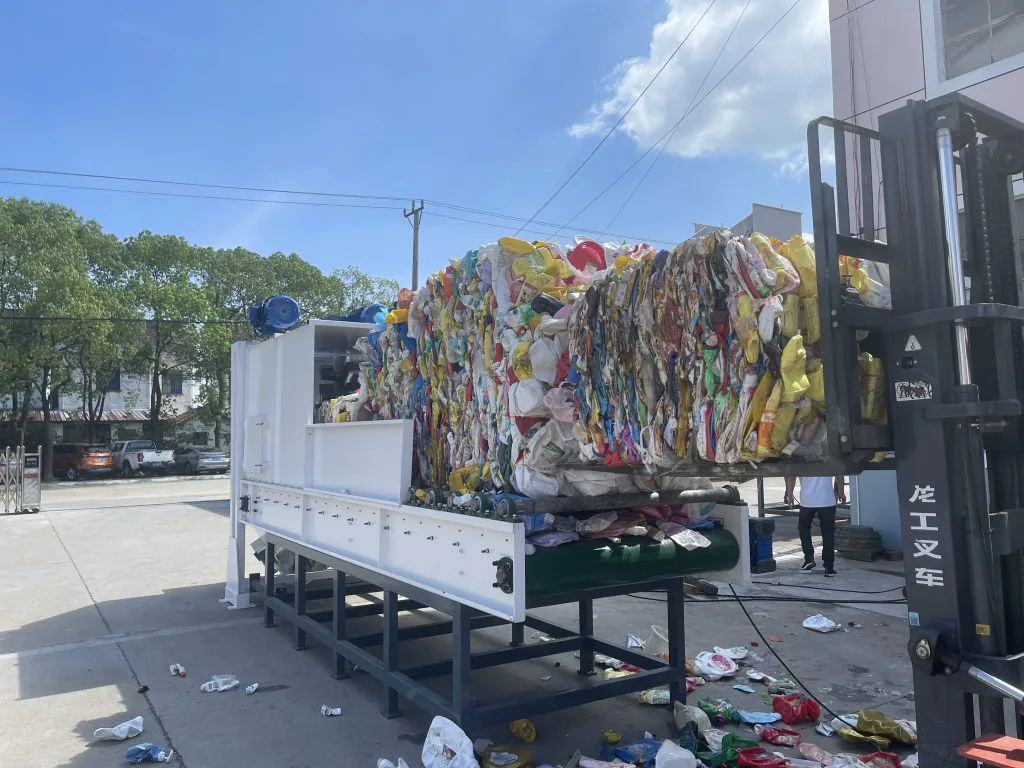
First things first, we need to gather up the plastic waste. This can come from just about anywhere—think homes, factories, and even businesses. Some of it gets collected from public bins, and some from industries like packaging or manufacturing.
For factory owners, this means working with bulk collections of plastic waste. It’s a good idea to partner with reliable waste suppliers who can provide consistent material for recycling. More input means more output, right?
2. Sorting and Categorizing
Here’s where the real magic starts: sorting! Not all plastics are the same, and if you mix them up, you won’t get good results. In most cases, we sort by the type of plastic and its properties. This matters because different types of plastic (like PET, PVC, PP, and PE) need different recycling treatments.
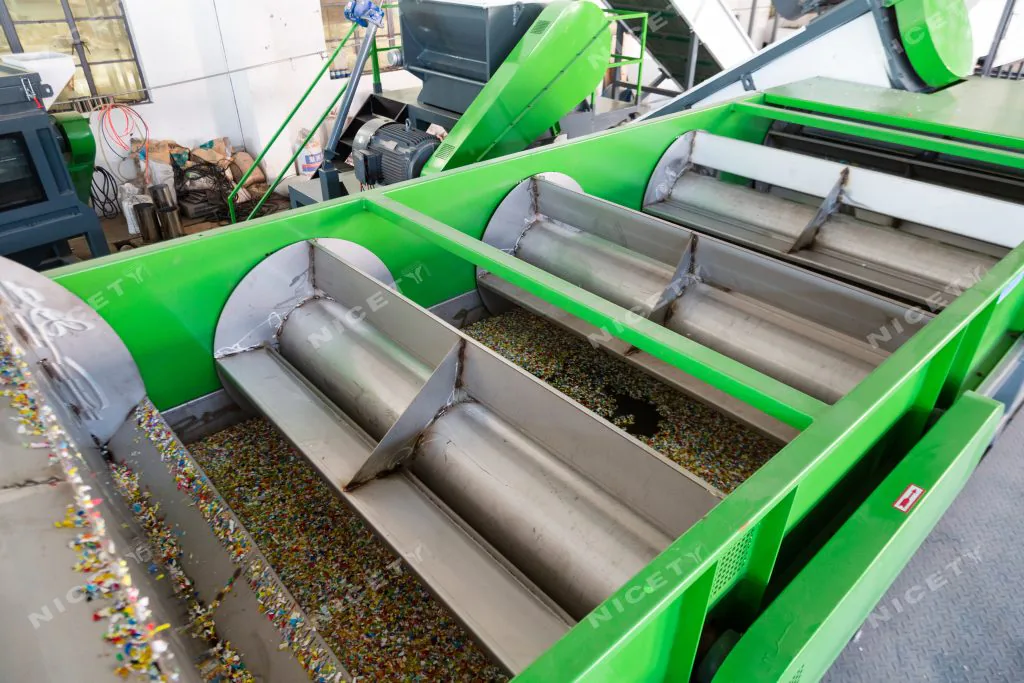
And here’s a cool trick: plastics like PP and PE are lighter than water, so they float during washing. On the other hand, PET and PVC are heavier and sink. Smart machines can even “see” the type of plastic and sort it automatically!
3. Washing and Cleaning
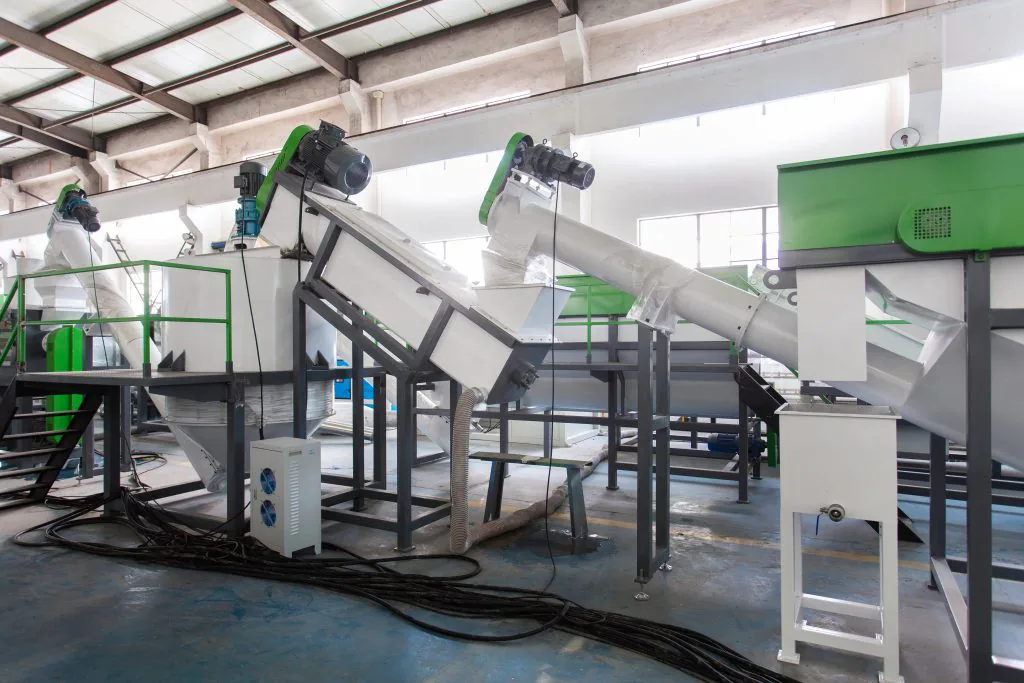
Once sorted, we need to clean these plastics up. This is super important because nobody wants their final product full of dirt, food, or labels! We use hot water and sometimes cleaning agents to get rid of all the grime.
For factory managers, the quality of the washing equipment is key. At NICETY, we make sure our washing lines can handle all the sticky bits so your recycled material turns out clean and ready for the next steps.
4. Shredding or Resizing

Now that the plastic is nice and clean, it’s time to chop it up! Shredding breaks the plastic into smaller pieces, often called flakes. These flakes are much easier to work with in the later stages.
Think of this like prepping ingredients before you cook: smaller pieces melt faster and more evenly. Factory owners know that getting the right size flakes can make or break the efficiency of the entire recycling line.
5. Melting and Pelletizing
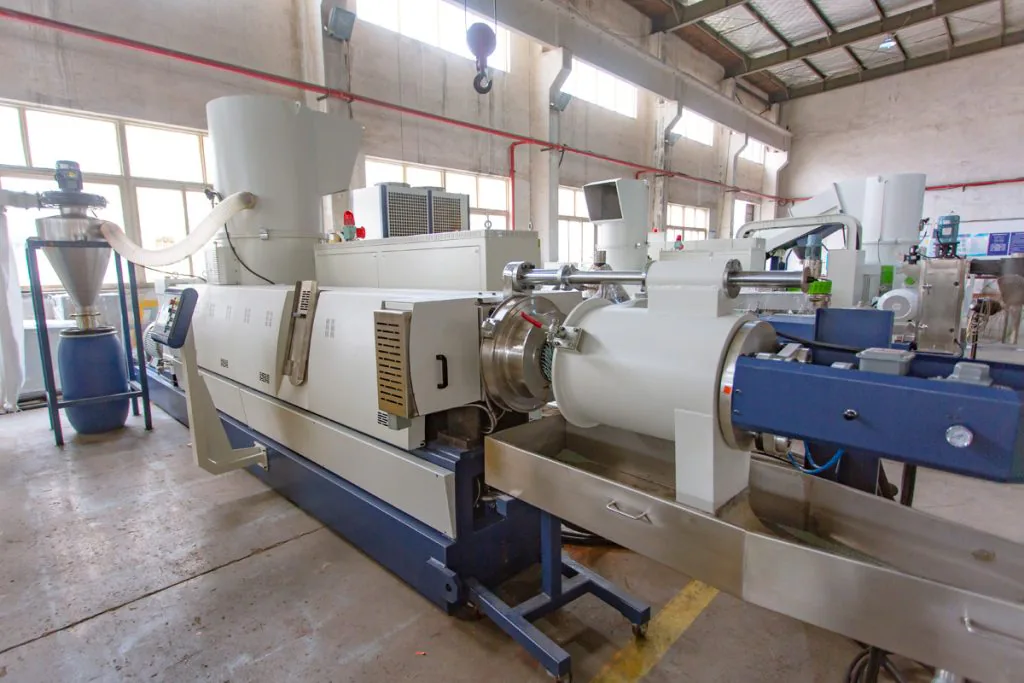
Now, it’s time to melt those flakes down and turn them into something useful. The melted plastic gets shaped into tiny pellets, which are super easy to transport and reuse.
Different types of plastics need different types of machines. For example, PP and PE love a good single-screw extruder, but PET and PVC need the extra power of a twin-screw granulator. This is where NICETY comes in with customized solutions to make sure your factory’s machines match your needs perfectly.

What Happens to Plastic Bottles When They Are Recycled?
Ah, plastic bottles—something we see every day! Recycling them follows the same steps but requires special care during cleaning and shredding. The bottles are first washed to remove any residue (nobody wants leftover soda in their new products!). Then they’re shredded into tiny flakes, which are melted down into pellets and reused.
So, next time you toss a bottle into the recycling bin, know that it’s on a journey to become something new—maybe even another bottle!
What Percentage of Recycling Actually Gets Recycled?
Here’s a surprising fact: only about 9% of all plastic gets recycled globally. Yikes! That’s why it’s so important for factory owners and production managers to invest in efficient recycling machines that maximize the amount of plastic that can be reused. Every little bit counts, both for the environment and your bottom line!
Types of Plastic Recycling Equipment and Why They Matter
Choosing the right equipment is crucial. From washing lines to granulators, each piece of machinery plays a key role in the process. At NICETY, we specialize in creating machines that are reliable, durable, and tailored to meet the specific needs of different types of plastic.
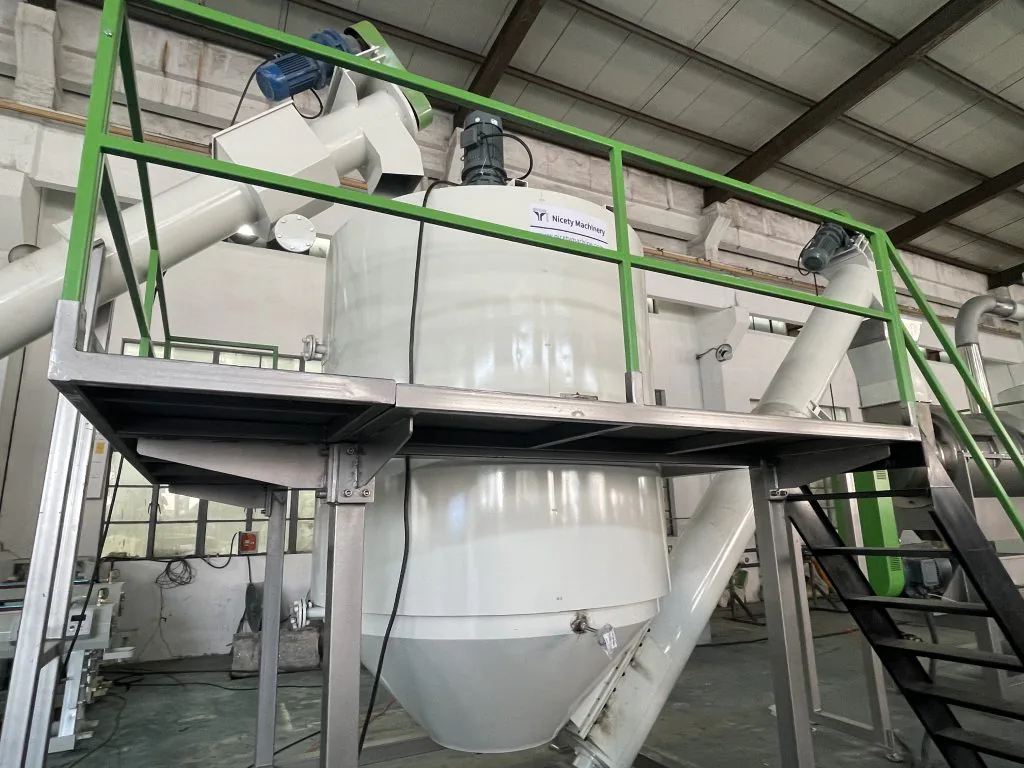
- Washing Lines: These are the MVPs of the cleaning stage. If your washing line isn’t up to par, you’ll end up with contaminated flakes, which no one wants.
- Granulation Lines: These machines handle the pelletizing stage. Whether you’re dealing with PP, PE, PET, or PVC, our customized granulators ensure you get high-quality pellets every time.

What Factory Owners Need to Consider When Choosing Equipment
If you’re a factory owner, you know how tricky it can be to choose the right recycling equipment. There are so many factors to consider—quality, price, after-sales support, and whether the equipment can be customized to your needs. Plus, you want to make sure the supplier is reliable and can deliver on their promises.
At NICETY, we understand these concerns. That’s why we offer not only top-quality machines but also stellar after-sales service to make sure your operations run smoothly. We provide warranties and offer flexible payment terms to help you feel confident in your investment.
How to Boost Your Recycling Efficiency
Want to make your plastic recycling process even more efficient? Here are a few tips:
- Invest in High-Quality Equipment: It’s worth spending a bit more upfront to get machines that will last longer and work better.
- Keep an Eye on Quality Control: Make sure your plastics are clean and sorted properly before processing.
- Regular Maintenance: Don’t skimp on maintaining your machines. A little upkeep goes a long way in avoiding costly breakdowns!
Conclusion
Recycling plastic isn’t just good for the environment—it’s good for business too! With the right equipment and processes in place, you can turn waste into valuable products while keeping your operation efficient and profitable.
Whether you’re looking for washing lines, shredders, or pelletizing machines, NICETY has the right solutions to help your recycling factory thrive. Contact us today, and let’s talk about how we can customize equipment to meet your specific needs!

_画板-1-副本-3-pxeey2xejyohpkvf07tglhvew6ks2ts3pjvhagm60c.png.webp "NICETY MACHINERY Co., LTD")