_画板-1-1.png.webp)

Poor mixing is one of the hidden killers in plastic production. It leads to unstable extrusion, inconsistent injection results, color deviation, mechanical property loss, and even machine damage caused by unblended additives.
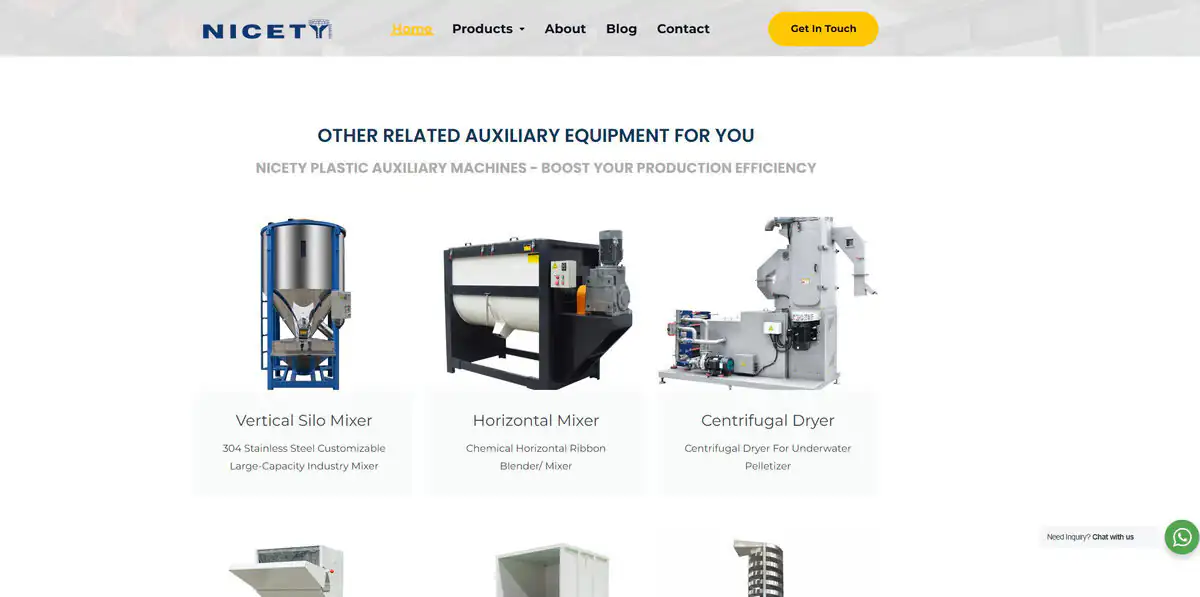
In plastic processing and compounding, there are six commonly used industrial-grade mixers: vertical silo mixer, horizontal ribbon mixer, high-speed mixer, non-destructive homogenizing mixer, drum-type mixer, and small-capacity masterbatch mixer. Each is suited for specific material types and production needs.

Choosing the wrong mixer doesn’t just lower your product quality—it eats into your bottom line. Different plastic materials respond differently to mechanical shear, heat, friction, and gravity. That’s why selecting the right type of mixer is crucial in plastic production. I’ve personally seen lines lose up to 20% efficiency just from using an unsuitable mixing solution.
How many types of mixers are there?
In most plastic factories, mixers are often overlooked. Many assume any machine that “spins” the material will do. But the truth is, material types, feeding cycles, downstream processing methods, and even ambient temperature play a part in mixer selection.
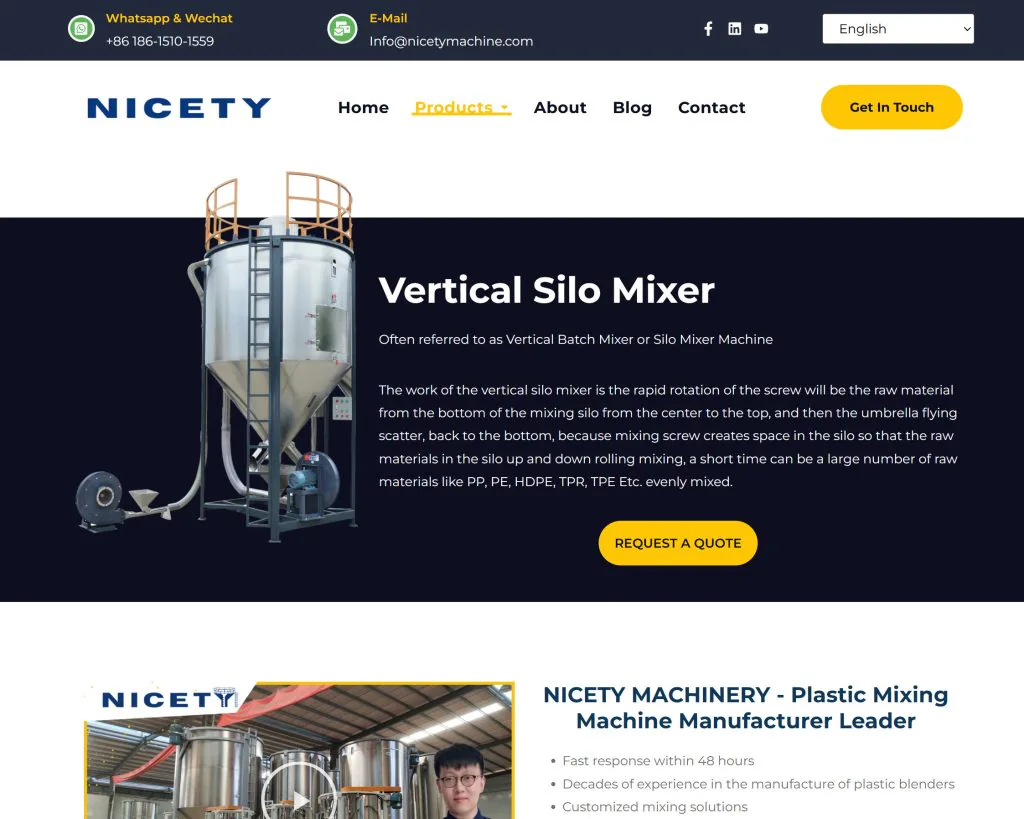
The six main types of mixers used in plastics are: vertical silo mixers1, horizontal ribbon mixers2, high-speed mixers3, non-destructive homogenizing mixer4s, drum-type mixers, and small-capacity masterbatch mixers.
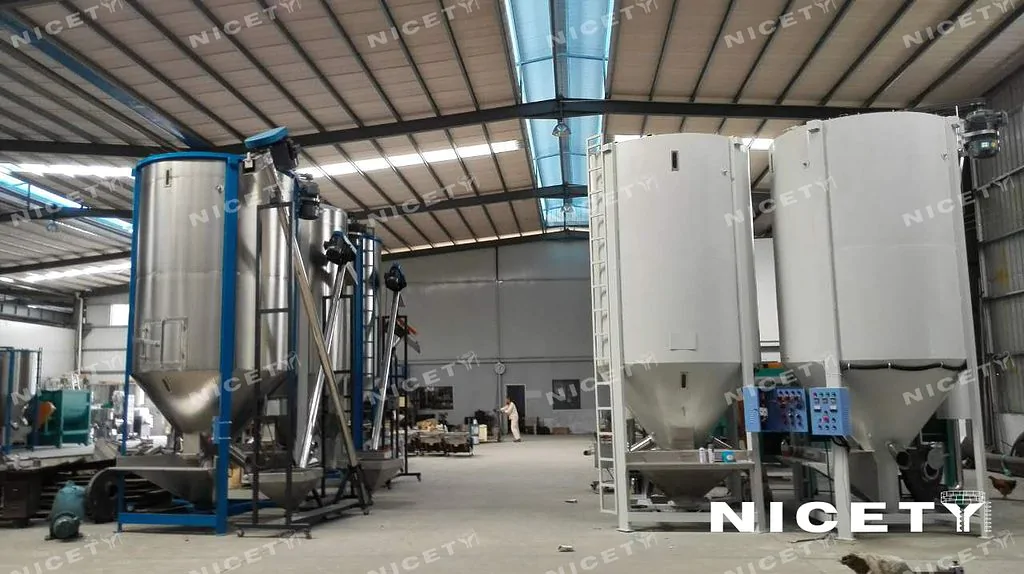
Here’s a structured view:
| Mixer Type | Mixing Method | Capacity Range | Application Scope | Key Considerations |
|---|---|---|---|---|
| Vertical Silo Mixer | Spiral gravity circulation | 500L – 20,000L | Flakes, recycled pellets, granule blending | Not suitable for powders or soft materials |
| Horizontal Ribbon Mixer | Spiral dual-ribbon motion | 500L – 5000L | Additive blending, color masterbatch, powder+granules | Suitable for powders, sensitive to material hardness |
| High-Speed Mixer | Frictional shear + vortex | 50L – 1000L | PVC, PE stabilizer blends, powder-rich recipes | High energy, requires strict maintenance |
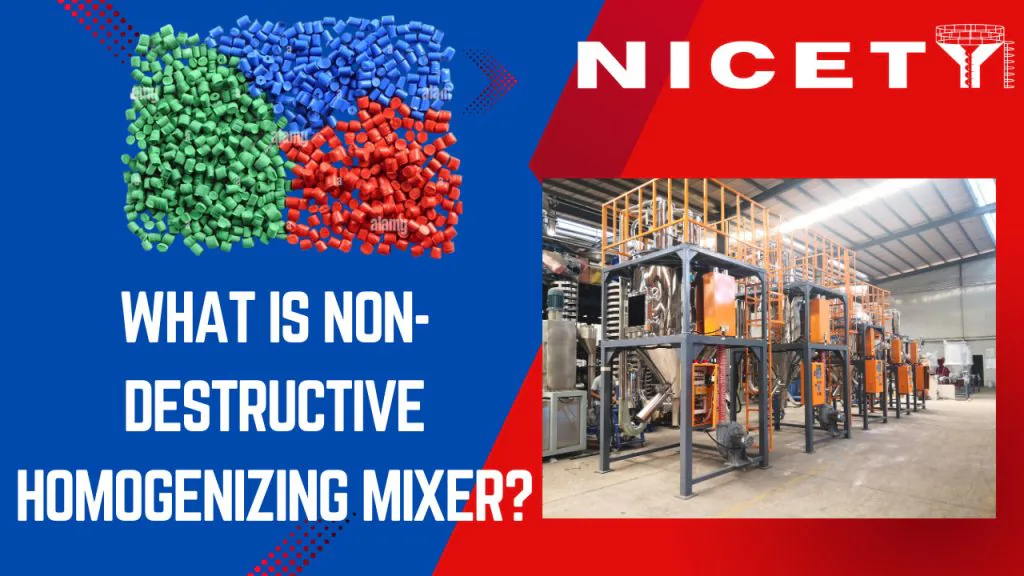
| Homogenizing Mixer | Gentle rolling circulation | 300L – 5000L | Soft TPE/TPU, transparent blends, low-shear compounding | Ideal for soft or tacky materials |
| Drum-Type Mixer | Rotational tumble | 50L – 300L | Sample batches, color testing, short-run jobs | Low efficiency, best for lab or prototyping |
| Masterbatch Mixer (Small) | Basic gravity blend | 150L – 300L | Quick color change, masterbatch testing | Not suitable for production-scale loads |
This list includes only mixers used in plastic and rubber processing. We deliberately excluded food, feed, chemical, or pharma equipment because their design logic and hygiene requirements are completely different.
What are the different types of batch mixers?
Batch mixers are central in plastic compounding, especially where precise formulation and color uniformity are required. Unlike continuous mixers, they allow complete control of each mixing cycle. I remember using continuous screw mixers for color masterbatch once—huge mistake. Pigment distribution was always off. Switching to batch mixers solved it immediately.
Batch mixers5 include high-speed mixers, ribbon mixers, drum mixers, and small-capacity masterbatch blenders. Each is designed to process a defined amount of material per cycle, giving better control and repeatability.
%(Batch mixers image)[https://placehold.co/600×400 "Batch mixers in a plastic processing facility"]
Let’s analyze their structure and function in detail:
-
High-Speed Mixers (HSM)6: Rely on centrifugal force and high RPM (usually >1400 rpm). Useful for mixing PVC stabilizers and powder-based formulations quickly. They generate significant heat during operation, which can help with fusion or pre-heating but can also cause material degradation if left unchecked.
-
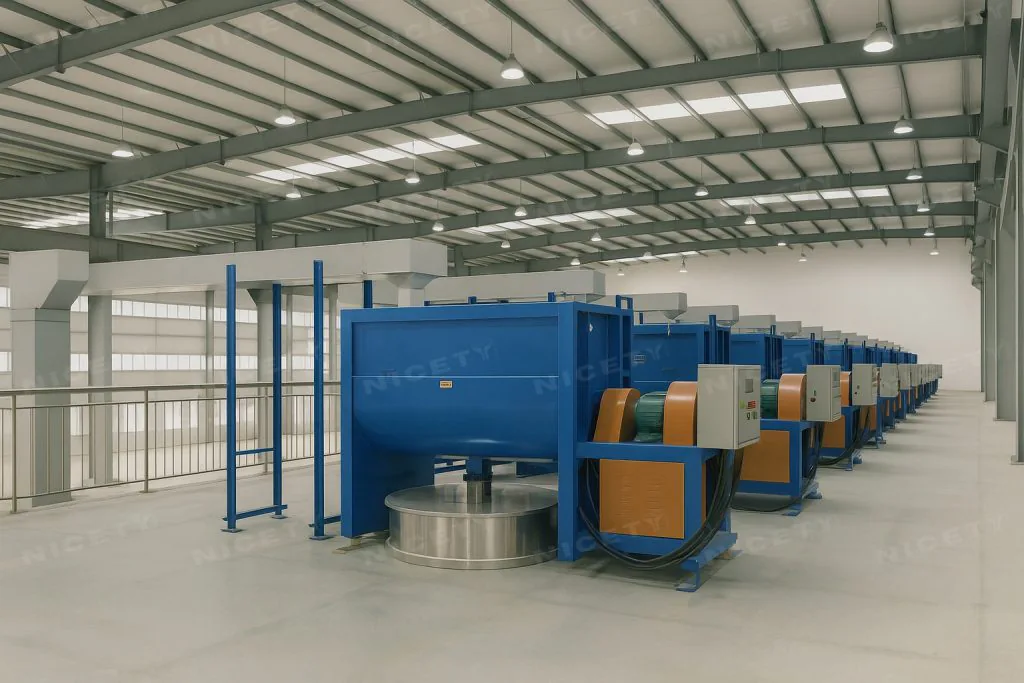
Horizontal Ribbon Mixers7: Have dual spiral blades mounted on a central shaft. They create a counter-rotating convective motion that blends materials thoroughly without generating too much heat. Excellent for mixing powders with granules or two kinds of pellets with different densities. This is the preferred choice for powder mixing.
-
Drum-Type Mixers: These are barrel-shaped mixers that tumble material slowly. They are good for simple applications like recycling color chips or small quantity trials but offer little control and are prone to uneven mixing.
-
Small Masterbatch Mixers8: Gravity-based mixing tanks, often cone or drum-shaped, that rotate or vibrate the materials. Ideal for rapid recipe changeover, low capacity loads, and when downtime needs to be minimized.
In practical terms, batch mixers help ensure consistency. For multi-layer extrusion or co-injection processes, that consistency translates to stronger bonds between layers and fewer cosmetic defects.
What types of plastic mixing are they each good at?
Mixing isn’t a universal concept. It depends heavily on the materials being mixed, especially when dealing with low-hardness elastomers or static-prone powders. I once mixed soft TPE using a vertical silo mixer—it looked fine until we extruded. The surface had microbubbles due to air pockets from poor mixing.
High-speed mixers are best for powder-based compounding; ribbon mixers are ideal for powders and granules; vertical silos are suited only for clean pellets or regrind; homogenizing mixers are best for soft or shear-sensitive materials.
Here’s a closer breakdown:
| Material Type | Mixer Type(s) | Why It’s Suitable | What to Avoid |
|---|---|---|---|
| Powder + Granules | Horizontal Ribbon Mixer | Excellent powder dispersion, no heat buildup | Avoid vertical silos; powders will not flow |
| PVC Compound | High-Speed Mixer | Fast blending, promotes fusion | Needs active cooling during mixing |
| Soft TPE, TPU (Shore A < 70) | Homogenizing Mixer9, Ribbon Mixer | Low shear, protects material structure | High-speed mixers can degrade material |
| Color Masterbatch | Ribbon Mixer, Masterbatch Mixer | Uniform color, simple material load/unload | Drum-type leads to uneven dispersion |
| Recycled Flakes | Vertical Silo Mixer10 | Large capacity, no issue with minor inconsistency | Powders or dust will clog air vents |
| Flame-Retardant Additives | Ribbon Mixer or HSM | Ensures precise dose and even spread | Needs precise mixing time to avoid hotspots |
Soft plastics (like EVA, TPE) have poor structural memory and are prone to degradation during mixing. Low-speed, gentle mixing is critical in such cases. High-speed mixers may physically damage them, introducing voids or reducing elongation.
How to clean different types of plastic mixers?
Mixer cleaning is critical, especially for color-sensitive or additive-specific production lines. I once had a customer complain about black specs in natural ABS parts. We later traced it back to unmixed black masterbatch left inside the high-speed mixer housing.
Each mixer has a different cleaning method. Horizontal ribbon mixers and drum mixers are relatively easy. High-speed and silo mixers require deeper and safer cleaning procedures. Never use water unless explicitly allowed by the machine’s construction.
%(Cleaning a mixer)[https://placehold.co/600×400 "Technician cleaning plastic mixing machine"]
Cleaning by type:
-
Vertical Silo Mixers11: Hardest to clean, especially for sticky materials. Recommended method is using a long-handled suction tool to vacuum inner walls. Some models have top covers for manual entry. Compressed air can help, but only for dry material.
-
Horizontal Ribbon Mixers: Easier due to side or top-open lids. Daily wipe-down with dry cloth or air. Weekly deep cleaning should include checking for material buildup under the shaft and in seal areas.
-
High-Speed Mixers12: Must be fully cooled before cleaning. Open the top lid, and remove remaining material with a brush and vacuum. Do not use water unless it is stainless steel and fully sealed.
-
Homogenizing Mixers: Usually self-cleaning by air purge or vibration. For sticky materials, clean with a dry scraper. Never use chemicals unless they evaporate fully.
-
Drum Mixers: Can be tumbled with dry pellets or a cloth inside. Simple design makes them very accessible.
-
Masterbatch Mixers: Wipe or blow clean between color changes. Keeping a logbook for each cleaning is good practice.
What should be noted when cleaning and maintaining mixers on a daily basis?
Maintenance should be daily and systematic. I follow a 5-point checklist. Skipping even one step can result in mechanical failure or production loss. Once we forgot to check the blade seal on a ribbon mixer, and the gear housing filled with carbon black. It took two days to disassemble and clean.
Daily cleaning and inspection routines13 help extend the life of mixers. Check mechanical parts, listen for unusual sounds, and always log issues.
Daily Maintenance Checklist14:
- Pre-start check: Ensure no leftover material. Turn the shaft manually if needed to feel for resistance.
- Bearing lubrication: Apply grease every 8–12 hours of runtime, especially on high-speed mixers.
- Check for leaks: Look around shaft seals and under the base.
- Clean contacts and sensors: Especially weighing and auto-feeding systems.
- Run dry load test weekly: Run the mixer empty to listen for any strange vibration or imbalance.
Operators should also be trained to recognize motor overheating, seal leaks, and other early signs of failure.
Conclusion
Choosing the right mixer is about more than output—it’s about quality, reliability, and long-term cost. Understand your materials, then select the mixer that respects their needs.
-
Explore this link to understand how vertical silo mixers work and their specific applications in plastic processing. ↩
-
Discover the functionality and benefits of horizontal ribbon mixers for additive blending and more. ↩
-
Learn about the high-speed mixers and their role in creating efficient blends for PVC and PE. ↩
-
Find out how homogenizing mixers can enhance the quality of soft TPE/TPU blends. ↩
-
Explore this link to understand the various types of batch mixers and their specific applications in plastic compounding. ↩
-
Learn about High-Speed Mixers and how they enhance the mixing process in plastic formulations. ↩
-
Discover the mechanics behind Horizontal Ribbon Mixers and why they are preferred for powder mixing. ↩
-
Find out how Small Masterbatch Mixers can improve efficiency and consistency in small-scale mixing applications. ↩
-
Discover how homogenizing mixers protect sensitive materials during processing and ensure quality. ↩
-
Understand the specific applications and drawbacks of vertical silo mixers for effective material handling. ↩
-
Discover expert tips on cleaning Vertical Silo Mixers, crucial for maintaining quality in production and preventing contamination. ↩
-
Explore this link to learn effective cleaning techniques for High-Speed Mixers, ensuring optimal performance and longevity. ↩
-
Explore this link to learn effective daily cleaning practices that can significantly extend the life of your mixers. ↩
-
This resource will provide you with a comprehensive daily maintenance checklist to ensure optimal mixer performance. ↩

_画板-1-副本-3-pxeey2xejyohpkvf07tglhvew6ks2ts3pjvhagm60c.png.webp "NICETY MACHINERY Co., LTD")