_画板-1-1.png)
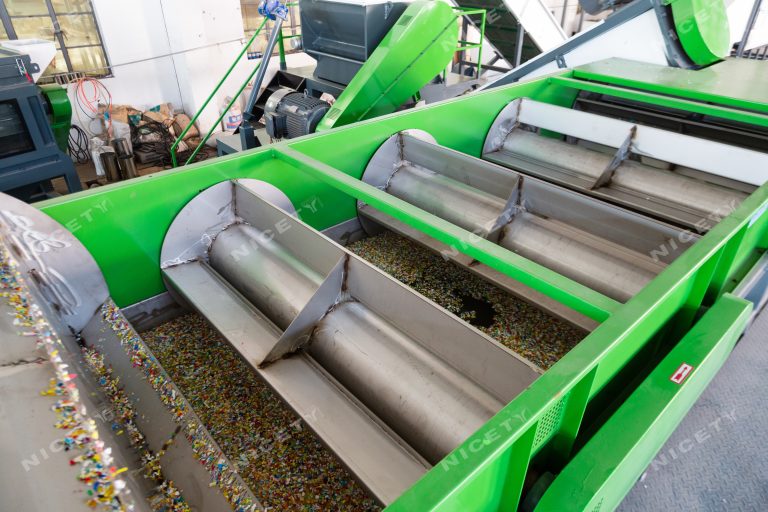
Recycling PET bottles is challenging without efficient equipment. Floating washing tanks play a crucial role in ensuring the purity of recycled materials.
Floating washing tanks help separate contaminants from PET flakes, increasing the quality of recycled materials for reuse.
Investing in the right equipment can improve efficiency and sustainability. Let’s explore why floating washing tanks are critical and how they improve the recycling process.
What is the importance of recycling plastic bottles?
Recycling plastic bottles addresses environmental concerns and reduces the dependency on raw materials.
Recycling reduces landfill waste, conserves resources, and minimizes environmental damage caused by plastic pollution.

Recycling plastic bottles, particularly PET bottles, helps reduce the need for virgin plastic production. PET, widely used for water bottles, is highly recyclable and can be repurposed into new products. Floating washing tanks ensure high-quality recycling by removing contaminants effectively. Explore the role of PET recycling in reducing environmental impact.
Key benefits of recycling plastic bottles:
| Benefit | Description |
|---|---|
| Resource Conservation | Reduces dependency on fossil fuels. |
| Environmental Protection | Decreases plastic waste pollution. |
| Economic Opportunities | Creates jobs in the recycling industry. |
Recycling fosters sustainability and promotes a circular economy. Learn how recycling drives economic growth.
What is the process of hot washing PET flakes?
Hot washing is a crucial step in the PET recycling process to remove residues and impurities.
Hot washing removes glue, grease, and other contaminants from PET flakes, ensuring material cleanliness.
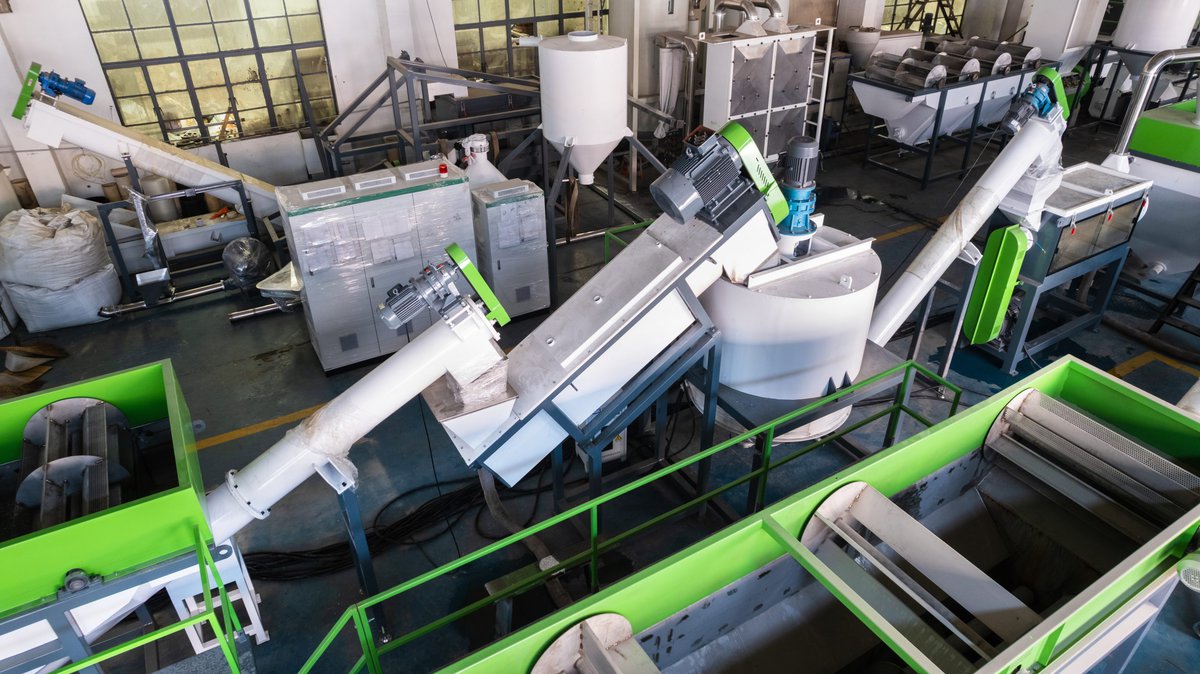
Hot washing PET flakes involves cleaning them with heated water and detergents. This process removes residues like labels and adhesives that hinder the recycling process. Floating washing tanks complement this step by separating materials like caps and labels, ensuring only PET flakes proceed further. Learn more about the importance of hot washing in PET recycling.
Steps in hot washing PET flakes:
- Initial Washing: Removes surface-level dirt and labels.
- Float-Sink Separation: Differentiates PET flakes from non-PET materials.
- Hot Wash Cycle: Deep cleans using hot water and detergents.
- Drying and Sorting: Prepares flakes for final recycling stages. Discover advanced hot washing technologies for PET flakes.
Why is PET polyethylene terephthalate used when making water bottles?
PET is a lightweight, durable, and safe plastic, making it ideal for water bottles.
PET’s properties make it suitable for creating strong, transparent, and lightweight bottles.
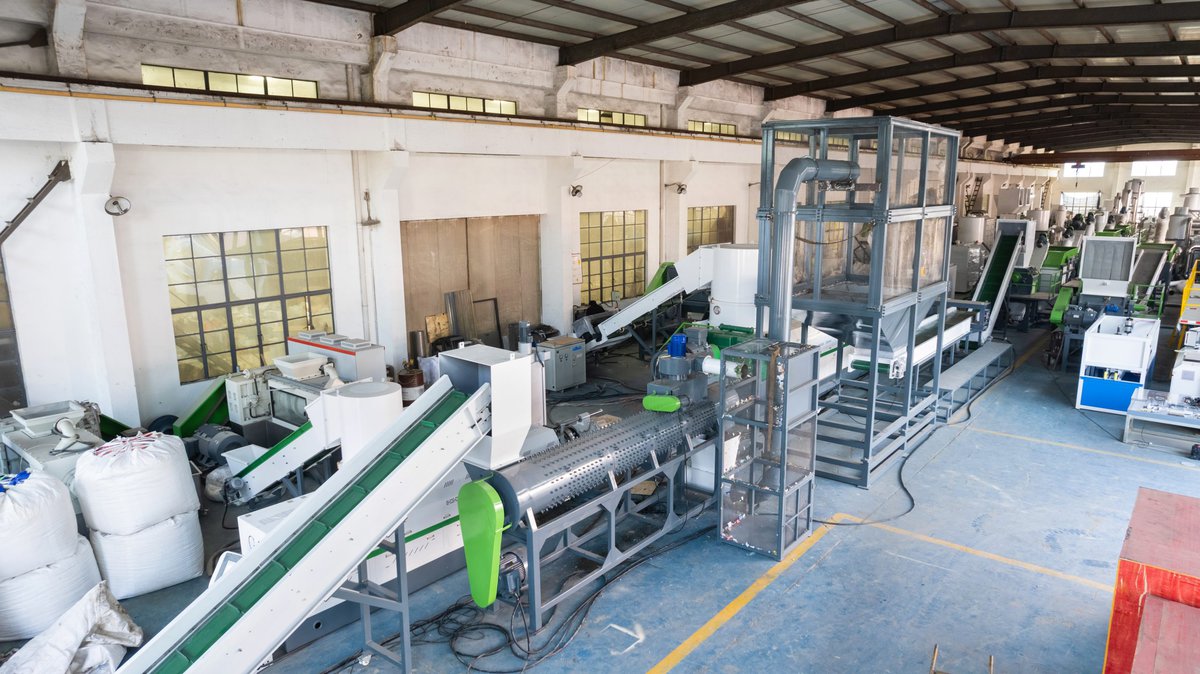
PET offers a balance of durability and recyclability. Its lightweight nature reduces transportation costs, and its chemical structure ensures safety for food and beverage storage. The recyclability of PET ensures it can be repurposed multiple times, reducing environmental impact.
Properties of PET:
| Property | Benefit |
|---|---|
| Lightweight | Reduces shipping costs. |
| Transparent | Enhances visual appeal. |
| Strong and Safe | Withstands pressure and ensures safety. |
Why is PET good for recycling?
PET is highly recyclable, enabling closed-loop recycling and reducing plastic waste.
PET can be recycled repeatedly without significant degradation in quality.

PET’s molecular structure allows it to be broken down and reformed efficiently. This feature supports the creation of high-quality recycled products. Floating washing tanks are essential in this process, as they help separate impurities, ensuring only clean PET flakes are recycled. Learn about the science behind PET recycling efficiency.
Challenges and solutions in PET recycling:
| Challenge | Solution |
|---|---|
| Impurities in Flakes | Use of advanced washing systems. |
| Sorting Non-PET Materials | Incorporating float-sink separation. |
Learn about modern separation techniques that improve the purity of recycled PET materials..
What are the methods of recycling PET?
PET recycling includes mechanical recycling, chemical recycling, and thermal methods.
Mechanical recycling is the most common and involves grinding PET into flakes for reuse.
Learn about chemical recycling methods and how they enhance PET recycling efficiency..

The main methods of recycling PET are:
- Mechanical Recycling: Grinding and washing PET into reusable flakes.
- Chemical Recycling: Breaking PET into its base components for reprocessing.
- Thermal Recycling: Converting PET waste into energy, though less sustainable.
Floating washing tanks are indispensable in mechanical recycling. They ensure clean separation of PET from contaminants, maximizing the efficiency of the recycling process. Learn more about mechanical recycling and its benefits.
Comparison of PET recycling methods:
| Method | Description | Efficiency |
|---|---|---|
| Mechanical | Converts PET into flakes for reuse. | High |
| Chemical | Breaks PET into raw materials. | Moderate |
| Thermal | Converts PET waste into energy. | Low |
Conclusion
Floating washing tanks are vital in the PET recycling process, ensuring high-quality material recovery and promoting environmental sustainability.

_画板-1-副本-3-pxeey2xejyohpkvf07tglhvew6ks2ts3pjvhagm60c.png "NICETY MACHINERY Co., LTD")