_画板-1-1.png)
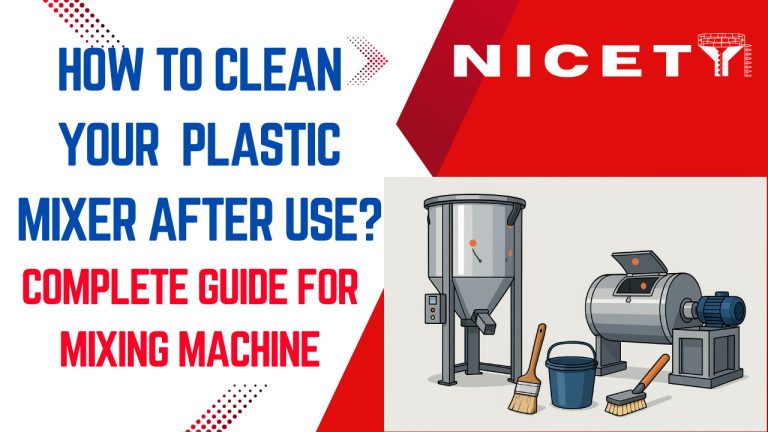
Is leftover plastic resin causing contamination and reducing your production efficiency? Dirty mixers can slow production and compromise product quality if not cleaned correctly.
Regular cleaning of industrial plastic mixers prevents contamination, prolongs equipment lifespan, maintains mixing efficiency, and ensures consistent product quality, ultimately saving money and time.

If you are unsure how to properly clean your mixers, keep reading. I’ll walk you through essential cleaning guidelines for vertical silo mixers and horizontal blenders.
Why should industrial plastic mixers be cleaned regularly?
Are you experiencing quality fluctuations or machine breakdowns? Dirty mixers often cause inconsistency in the mixture and increased downtime due to equipment wear or damage.
Regular cleaning ensures consistent product quality1, avoids cross-contamination, prolongs mixer life, and reduces costly downtime by preventing accumulation of hardened plastic residues and contamination.

Industrial plastic mixers accumulate residues over time, especially when switching between different plastic materials. Residue build-up impacts mixing uniformity, creates contamination, and eventually results in product defects or rejections. Regular cleaning also preserves the mechanical integrity of the mixers. Vertical silo mixers, in particular, are susceptible to clogs due to residue accumulation at the bottom of the silo. Horizontal blenders, on the other hand, accumulate residue around mixing paddles and along the internal surfaces. Keeping these mixers clean reduces the likelihood of mechanical breakdown and maintains optimal operational efficiency, saving your business valuable time and costs.
How to clean the inside of a plastic mixer?
Is residue buildup inside your mixer affecting the quality of your final product? Leftover plastic inside your mixer can significantly decrease product quality and increase downtime.
To clean the inside of plastic mixers, empty all materials, use compressed air or vacuum to remove loose particles, scrub stubborn residues with appropriate solvents, and thoroughly rinse and dry before use.

Cleaning a vertical silo mixer2:
- Fully discharge leftover materials from the bottom discharge gate.
- Use compressed air or vacuum to remove loose plastic particles.
- Clean the inner walls and blades with industrial-grade solvents3, brushes, and scrapers.
- Rinse thoroughly with clean water and dry completely to avoid corrosion.
Cleaning a horizontal blender4:
- Disassemble the inspection hatch or side panel to access internal parts.
- Remove loose particles using a vacuum or compressed air.
- Scrape off hardened residues from blades and internal surfaces.
- Use recommended cleaning solvents to wipe down internal surfaces.
- After cleaning, dry thoroughly and check seals and bearings.

What types of plastic or rubber are difficult to clean?
Are some plastic residues persistently difficult to remove, causing extended downtime? Certain plastics and rubbers pose greater cleaning challenges due to their adhesive properties.
Plastics such as PVC5, TPU6, TPR7, and some rubbers8 with high adhesive properties or low melting points can be challenging to clean due to persistent residues and sticky characteristics.

Here’s a quick reference for difficult-to-clean materials:
| Material Type | Cleaning Difficulty | Reasons | Recommended Solvents |
|---|---|---|---|
| PVC | High | Sticky, adherent residues | Alcohol-based solvents |
| TPU/TPR | High | Elastic and adhesive residues | Specialized industry solvents |
| Rubber | High | Strong adhesion, residue buildup | Organic or petroleum-based solvents |
These materials need special attention and dedicated cleaning processes to ensure complete removal. If you’re regularly processing these materials, investing in specialized cleaning solvents and equipment will significantly improve cleaning efficiency and production uptime.
What safety precautions should be taken when cleaning an industrial plastic blender?
Are you aware of safety risks during mixer cleaning? Ignoring basic safety measures can lead to serious injuries or equipment damage.
Always wear protective gear9 including gloves, goggles, and masks, disconnect power before cleaning, ensure adequate ventilation, use recommended solvents, and follow manufacturer guidelines10 strictly.

Key safety guidelines to follow:
- Disconnect all power sources and lockout/tagout equipment.
- Use protective gloves, goggles, masks, and safety boots.
- Maintain proper ventilation during cleaning to prevent inhaling fumes.
- Keep solvents away from open flames or sparks.
- Avoid excessive use of solvents to minimize fire hazards.
- Always follow mixer manufacturer instructions to avoid damaging equipment or risking personal injury.
What are some tips for cleaning an industrial plastic mixer?
Does cleaning your mixer seem complicated and time-consuming? Efficient cleaning routines and tips simplify the task and save considerable downtime.
Regularly scheduled maintenance, using suitable solvents, keeping cleaning tools11 readily available, and training your staff properly will greatly improve cleaning effectiveness and reduce cleaning time.

Practical tips to simplify mixer cleaning:
- Create and stick to a regular cleaning schedule.
- Use high-quality solvents12 specifically designed for plastic and rubber residues.
- Train your employees thoroughly on mixer cleaning procedures and safety practices.
- Keep essential cleaning tools readily available and organized.
- Check and replace worn-out blades and seals during cleaning.
- Document each cleaning cycle to maintain cleaning consistency and track equipment conditions over time.
Conclusion
Regular, careful cleaning maintains your mixer’s performance, ensuring higher quality products, increased production efficiency, equipment longevity, and a safer working environment for your entire team.
-
Understanding the significance of regular cleaning can help maintain high product standards and operational efficiency. ↩
-
Explore this resource for expert tips and techniques to ensure your vertical silo mixer is cleaned effectively, enhancing product quality. ↩
-
Learn about industrial-grade solvents and their applications in cleaning to enhance your knowledge and cleaning efficiency. ↩
-
Explore this resource for expert tips and techniques to ensure your horizontal blender is cleaned effectively, enhancing its performance. ↩
-
Explore this resource to discover effective cleaning techniques specifically designed for PVC, enhancing your cleaning efficiency. ↩
-
Explore this resource to discover effective cleaning techniques specifically designed for TPU, enhancing your cleaning efficiency. ↩
-
Explore this resource to discover effective cleaning techniques specifically designed for TPR, enhancing your cleaning efficiency. ↩
-
Explore this resource to understand the challenges of cleaning rubbers and discover effective management strategies. ↩
-
Understanding the significance of protective gear can help prevent injuries and ensure safe cleaning practices. ↩
-
Exploring this topic will highlight how following guidelines can prevent equipment damage and enhance safety. ↩
-
Explore this link to discover essential cleaning tools that can enhance your mixer maintenance efficiency. ↩
-
Learn about effective solvents that ensure thorough cleaning and prolong the life of your mixer. ↩

_画板-1-副本-3-pxeey2xejyohpkvf07tglhvew6ks2ts3pjvhagm60c.png "NICETY MACHINERY Co., LTD")