_画板-1-1.png)
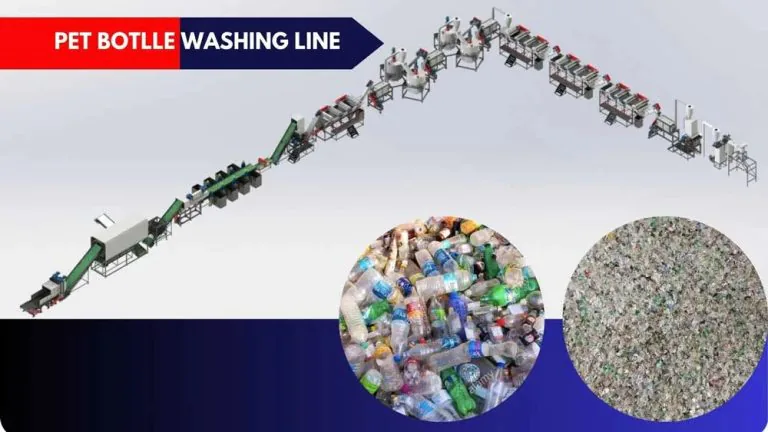
The plastics recycling industry has been evolving rapidly, with many improvements to machinery and processes. PET bottle washing systems play a critical role in ensuring that bottles are properly cleaned before being recycled. As a result, knowing which machines are needed for the PET bottle washing system is crucial for any recycling facility.
The primary purpose of a PET bottle washing system is to thoroughly clean and prepare PET bottles for further processing, such as re-pelletizing or reuse. This cleaning process ensures that contaminants are removed, making the plastic suitable for recycling.
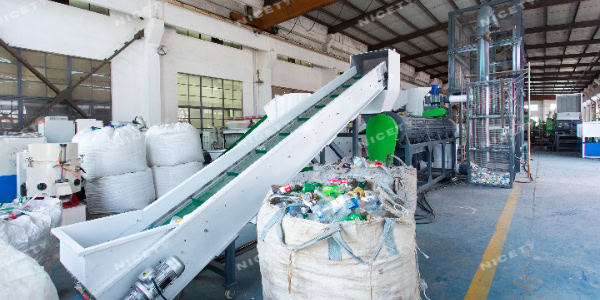
When setting up a PET bottle washing system, it is important to understand the different machines involved and how they work together to achieve the desired outcome. These systems typically include various components like shredders, washers, friction washers, dryers, and separators, each playing a unique role in the cleaning and preparation process.
What is a bottle washing recycling system1 used for?
The bottle washing system is a fundamental part of the recycling process, designed specifically to clean PET bottles2. But what exactly is this system used for? It ensures that PET bottles are free from contaminants such as dirt, oil, labels, and adhesive residues before they are processed further.
The main goal of a bottle washing recycling system is to clean PET bottles effectively, removing all contaminants to ensure high-quality recycled plastic. The system plays an essential role in creating cleaner, safer products from recycled materials.

A PET bottle washing recycling system is primarily used to transform used PET bottles into a usable raw material for producing new PET products. This process is crucial for maintaining the value of the recycled plastic and ensuring that it meets the required standards for reuse.
Shredding and Washing Process
One of the first steps in the PET bottle washing system is shredding the bottles into smaller pieces. This makes it easier to handle and increases the surface area for cleaning. After shredding, the plastic pieces are sent through a series of washing stages, where the bottles are thoroughly cleaned using various methods, such as friction washing or soaking.
Decontamination of PET Bottles
The decontamination process3 is a key aspect of any bottle washing system. Contaminants like labels, adhesives, and other substances must be removed to prevent the new product from being compromised. This ensures that the recycled PET is of a high enough quality for its intended use.
Which washing process4 are used for PET bottles recycling?
PET bottle recycling involves various washing processes to ensure that the plastic is clean and ready for reuse. But what specific washing processes are commonly used? These processes include both mechanical and chemical wash5ing methods.
In PET bottle recycling, the washing process involves removing contaminants like dirt, labels, and oil. Various mechanical and chemical methods are used, ensuring the final product is clean and free of impurities.
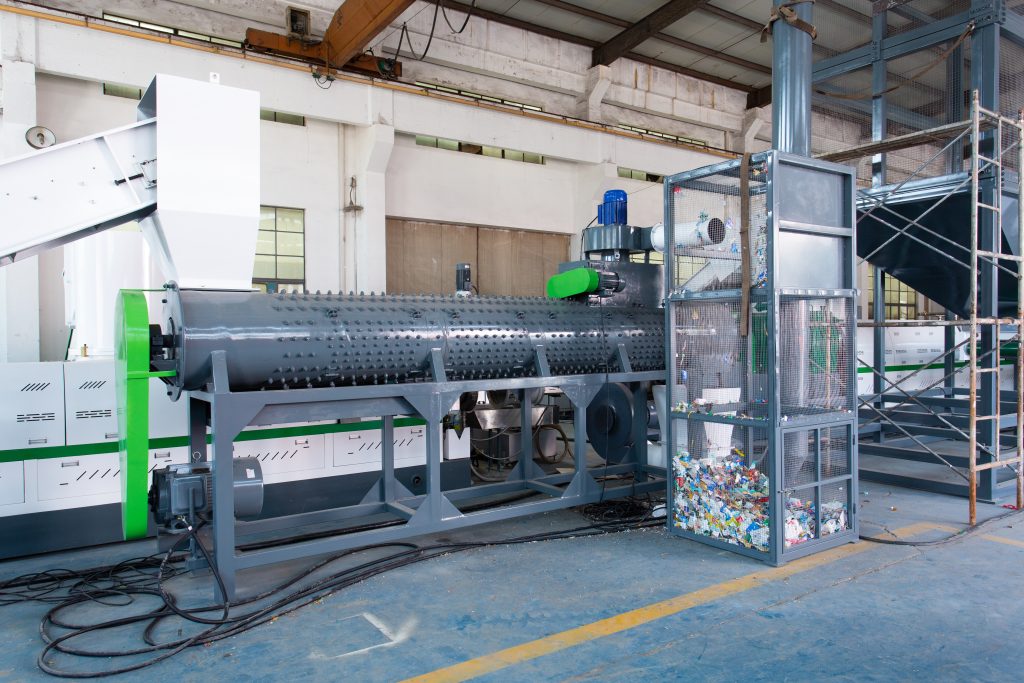
The washing process for PET bottles typically involves a combination of mechanical friction, hot water washing, and chemical treatments. These methods are used to break down any oils, inks, or adhesives on the surface of the plastic.
Mechanical Washing (Friction Washers)
Friction washers are a critical part of the PET bottle washing process. These machines use high-speed spinning to remove dirt, grease, and labels from the bottles. The mechanical friction helps to clean the plastic without causing damage, making it suitable for further recycling.
Hot Water and Chemical Wash
After the initial mechanical washing6, hot water and chemical wash stages are often employed to remove any remaining contaminants. Chemicals like detergents or caustic soda are used to dissolve stubborn residues, ensuring that the PET is fully cleaned before it moves to the next stage in the recycling process.
What chemical is used to wash PET flakes?
During the washing process of PET flakes, chemicals play an essential role in ensuring a deep clean. But which specific chemicals are used, and why are they so effective in the PET recycling process?
Chemicals like caustic soda (sodium hydroxide)7 and detergents are commonly used to wash PET flakes. These chemicals break down stubborn residues such as oil, ink, and adhesives, making the flakes clean and ready for reprocessing.

Caustic soda is one of the most commonly used chemicals in PET recycling. It is effective in removing contaminants like oils, inks, and adhesives that are often difficult to wash away with water alone. However, it must be used carefully to avoid damaging the plastic.
Detergents and Surfactants
In addition to caustic soda, various detergents and surfactants8 may also be used to wash PET flakes. These chemicals help to reduce the surface tension of water, making it easier to remove contaminants from the plastic. They are also effective in breaking down sticky residues that may be present on the PET.
What other types of plastics are available for PET bottles?
While PET is the most common plastic used for bottles, other types of plastics are sometimes found in the production of bottles. These plastics are not always suitable for PET recycling and need to be separated before the recycling process can continue.
Other types of plastics, such as HDPE (high-density polyethylene)9, PVC (polyvinyl chloride)10, and LDPE (low-density polyethylene)11, are sometimes used in bottle production. These plastics require separate processing and need to be identified and removed during the PET bottle washing process.

HDPE, PVC, and LDPE are commonly used in bottles, but they each have different properties than PET. As a result, they require different recycling processes and must be separated to ensure that only PET is included in the final recycled product.
Identification and Separation
The key to effective PET recycling is identifying and separating different types of plastic. This is typically achieved through various methods, such as using advanced sorting technologies like infrared sensors or air classification. These methods help to isolate PET from other types of plastics that may be present in the bottle waste stream.
How to separate the other types of plastics in PET bottles from PET?
Separating different types of plastics in PET bottles is a crucial part of the recycling process. This ensures that only PET is included in the final recycled product, preventing contamination from other types of plastics that may require different processing methods.
The separation of different plastics in PET bottles12 is achieved through various sorting technologies. Methods like air classification, density separation13, and optical sorting ensure that PET is isolated from other materials like HDPE, PVC, and LDPE.

Advanced sorting technologies, such as optical sorters and air classifiers, are essential in the separation process. Optical sorters use light and sensors to identify the different types of plastics, while air classifiers rely on differences in density to separate PET from other materials.
Density Separation
One of the most effective methods for separating plastics is density separation. This method relies on the fact that different plastics have different densities. PET, for example, has a higher density than HDPE, which allows for easy separation in a water-based bath. The plastics with lower density, such as HDPE, float, while PET sinks.
Conclusion
Understanding the machines and processes involved in PET bottle washing is crucial for effective recycling. With the right equipment and proper separation methods, PET can be transformed into a valuable resource for new products.
-
Explore this link to understand the mechanics and importance of bottle washing recycling systems in the recycling process. ↩
-
Learn why cleaning PET bottles is crucial for producing high-quality recycled materials and maintaining recycling standards. ↩
-
Discover the steps involved in the decontamination process and its significance in ensuring quality recycled products. ↩
-
Understanding the washing process is crucial for effective PET recycling, ensuring high-quality recycled materials. ↩
-
Learning about chemical washes can provide insights into advanced cleaning techniques that enhance the quality of recycled PET. ↩
-
Exploring mechanical washing can reveal its efficiency and importance in the recycling process, enhancing sustainability efforts. ↩
-
Explore how caustic soda is crucial in the PET recycling process and its effectiveness in removing contaminants. ↩
-
Learn about the role of detergents and surfactants in enhancing the cleaning process of PET flakes. ↩
-
Explore this link to understand the properties and applications of HDPE, a key plastic in bottle manufacturing. ↩
-
Learn about PVC’s unique characteristics and its role in bottle production by visiting this resource. ↩
-
Discover the benefits and applications of LDPE in the bottle industry by checking out this informative link. ↩
-
Understanding these methods can enhance your knowledge of recycling processes and improve sustainability efforts. ↩
-
Exploring this topic will provide insights into effective recycling techniques and their environmental benefits. ↩

_画板-1-副本-3-pxeey2xejyohpkvf07tglhvew6ks2ts3pjvhagm60c.png "NICETY MACHINERY Co., LTD")