_画板-1-1.png)
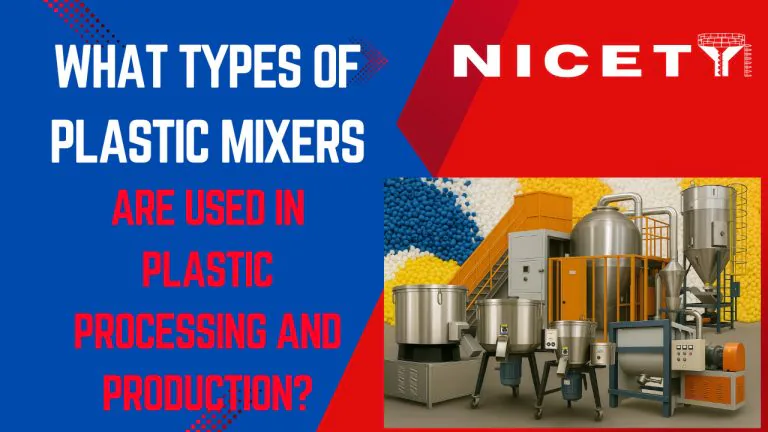
In the fast-paced world of plastic manufacturing, efficiency is the cornerstone of success. One critical component often overlooked is the role of plastic mixer machines, which are reshaping production processes in the plastics industry, especially in areas like plastic raw materials, plastic products, and engineering plastics.
These innovative machines ensure that materials are blended to perfection, enhancing quality and consistency while reducing waste. Whether you’re a small-scale operation or a large-scale plastic processing facility, understanding the intricacies of plastic mixer machines can unlock benefits ranging from improved productivity to significant cost savings.
In this ultimate guide, we explore the features, advantages, and best practices of plastic mixer machines—exclusively tailored for the plastic industry. Join us as we delve into how these machines can revolutionize your plastic mixing operations and elevate your business to new heights of operational excellence.
Importance of Efficient Mixing in Plastic Manufacturing
Efficient mixing plays a vital role in plastic production. Whether it’s ensuring even distribution of color masterbatch1, fillers, or reinforcement agents in engineering plastics, consistent blending directly impacts mechanical properties2, color uniformity, and processability of the final product.
In plastic production, poor mixing can lead to:
- Product defects (e.g., weak tensile strength)
- Inconsistent color or finish
- Higher rejection rates during molding or extrusion
- Compounding failures in engineering blends (e.g., PC/ABS or PA6/GF)
Efficient mixing reduces rework, improves batch-to-batch consistency, and ensures products meet technical standards and certifications. It also supports sustainability efforts by minimizing material waste and reducing energy usage throughout the production cycle.
Types of Plastic Mixer Machines
Different plastic mixing needs call for different machines. Here are the most commonly used plastic mixer machines in the plastics and engineering plastics sectors3:
1. High-Speed Mixers4
Ideal for quick, high-shear blending of materials such as:
- PVC compounds
- Color masterbatch
- Plastic additives

These mixers enable short cycle times and uniform dispersion, especially beneficial before pelletizing or extrusion.
2. Ribbon Blenders5
Best suited for:
- Granules, powders, and recycled flakes
- Dry blending of additives or stabilizers
- Homogenizing color masterbatches
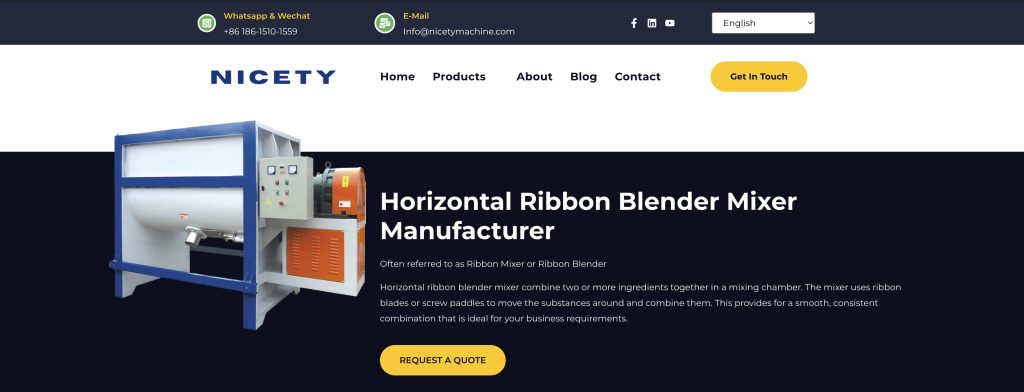
The gentle yet thorough mixing action is perfect for pre-processing or masterbatch formulations.
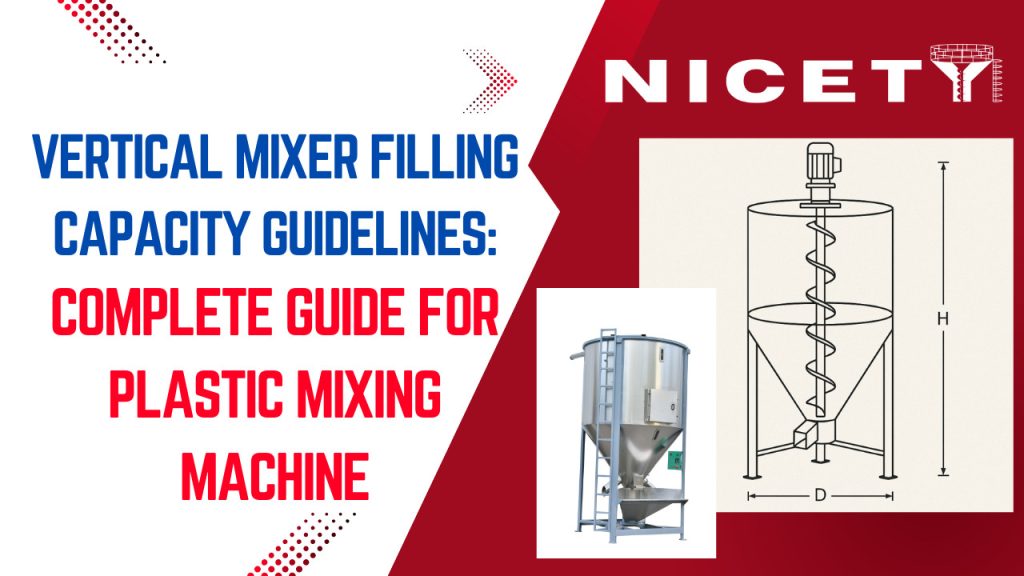
3. Vertical Mixers6
Widely used in:
- Central material feeding systems
- Granule and regrind homogenization
- Plastic compounding pre-mix stages

The vertical screw design ensures continuous and consistent mixing, especially useful for feeding extrusion or injection molding machines.
4. Tumble Mixers7
Effective for:
- Free-flowing plastic pellets
- Uniform blending of color concentrates

Tumble mixers offer low-energy blending for materials that don’t require high shear but still need consistency.
Key Features to Look for in Plastic Mixer Machines
When selecting a plastic mixer, focus on these key features:
- Mixing Capacity: Match the machine size with your production needs to avoid underutilization or overload.
- Adjustable Speed Control: Different plastics and additives require variable speeds for proper blending.
- Material Construction: Use machines made of stainless steel to resist corrosion from additives or colorants.
- Ease of Cleaning: Removable parts and open-access designs are essential for material changeovers.
- Automation and Controls: PLC or touchscreen interfaces allow precise parameter settings and repeatable quality.
Benefits of Using Plastic Mixer Machines
Implementing plastic mixer machines in your process delivers multiple benefits:
- Improved Product Quality: Consistent dispersion of additives and colorants.
- Reduced Waste: Lower scrap and regrind ratios due to uniform blends.
- Faster Cycle Times: Quicker, more efficient pre-processing before molding or extrusion.
- Cost Savings: Less manual labor, fewer defects, and better energy efficiency.
- Regulatory Compliance: Easier to meet REACH, RoHS, and ISO standards with consistent batch quality.
How to Choose the Right Plastic Mixer Machine
Choosing the right mixer involves several considerations:
- Material Type:
- Are you mixing powders, pellets, flakes, or liquids?
- What is the bulk density and moisture sensitivity?
- Production Volume8:
- Determine daily or batch mixing needs (e.g., 500 kg/hour vs. 5 tons/day).
- Determine daily or batch mixing needs (e.g., 500 kg/hour vs. 5 tons/day).
- Application:
- Is it for masterbatch preparation, color blending, filler homogenization, or compound pre-mixing?
- Level of Automation:
- Manual or automatic material feeding?
- Integration with upstream dryers and downstream feeders?
- Budget & ROI:
- Consider long-term savings from energy-efficient and durable designs versus upfront costs.
Maintenance Tips for Longevity and Performance
To ensure continuous performance:
- Clean After Every Batch: Prevent cross-contamination between materials/colors.
- Lubricate Bearings and Shafts9: Reduce wear and extend service life.
- Inspect Blades, Screws, and Seals: Replace worn parts to maintain mixing quality.
- Follow Manufacturer’s Maintenance Schedule: Stay proactive with preventive maintenance.
Innovations in Plastic Mixer Technology
Recent advancements tailored for plastics include:
- High-Efficiency Mixing Blades: Enhanced turbulence and faster homogenization.
- Smart Control Systems: Touchscreen PLCs with memory for batch recipes.
- Real-Time Monitoring Sensors: Track temperature, mixing torque, and blend uniformity.
- Predictive Maintenance: AI-assisted alerts for service scheduling and performance tracking.
These technologies improve repeatability and reduce operator dependency in mixing operations.
Case Studies: Success in the Plastics Industry
Case 1: PVC Compound Production
A plastics company upgraded to high-speed mixers and saw:
- 30% faster batch times
- 40% reduction in colorant waste
- 25% fewer rejections in extrusion
Case 2: Engineering Plastic Blends
An engineering plastics processor used vertical mixers10 to pre-blend PA6 + GF + lubricant. Results:
- Improved tensile consistency across batches
- Easier downstream extrusion with fewer melt inconsistencies
Case 3: Recycled Plastic Homogenization
A film manufacturer implemented ribbon mixers for LDPE regrind:
- Enhanced quality in film thickness and color
- Increased use of recycled content without product defects

Conclusion and Future Trends in Plastic Mixing
Plastic mixer machines are vital in the plastics and engineering plastics industries. They support high-quality production, reduce waste, and improve process efficiency.
Future Trends to Watch:
- Industry 4.0 Integration: Cloud-connected mixers with remote monitoring
- AI-Controlled Blending: Real-time recipe optimization
- Sustainable Designs: Low-energy, recyclable material-compatible mixers
By adopting advanced plastic mixing solutions and maintaining them well, manufacturers can stay competitive, meet evolving customer expectations, and align with sustainability goals.
With the right plastic mixer machine tailored for your materials, your plastic production process can reach new levels of efficiency, consistency, and innovation.
- Understanding color masterbatch is crucial for achieving color uniformity and enhancing the aesthetic quality of plastic products. ↩
- Exploring mechanical properties helps in selecting the right materials and processes to ensure durability and performance in plastic products. ↩
- Explore this link to understand the significance and applications of plastics in engineering, enhancing your knowledge in the field. ↩
- Discover the advantages and applications of High-Speed Mixers to improve your plastic processing techniques. ↩
- Explore this link to understand how Ribbon Blenders enhance efficiency and quality in plastic processing. ↩
- Explore this link to understand how vertical mixers enhance efficiency in plastic compounding and feeding systems. ↩
- Explore this link to understand how Tumble Mixers enhance blending efficiency and consistency in plastic manufacturing. ↩
- Understanding production volume is crucial for selecting a mixer that meets your operational needs efficiently. ↩
- Explore this link to learn effective lubrication techniques that can significantly enhance equipment longevity. ↩
- Learn about the advantages of vertical mixers for achieving consistent quality in engineering plastics. ↩

_画板-1-副本-3-pxeey2xejyohpkvf07tglhvew6ks2ts3pjvhagm60c.png "NICETY MACHINERY Co., LTD")